

 Back
Back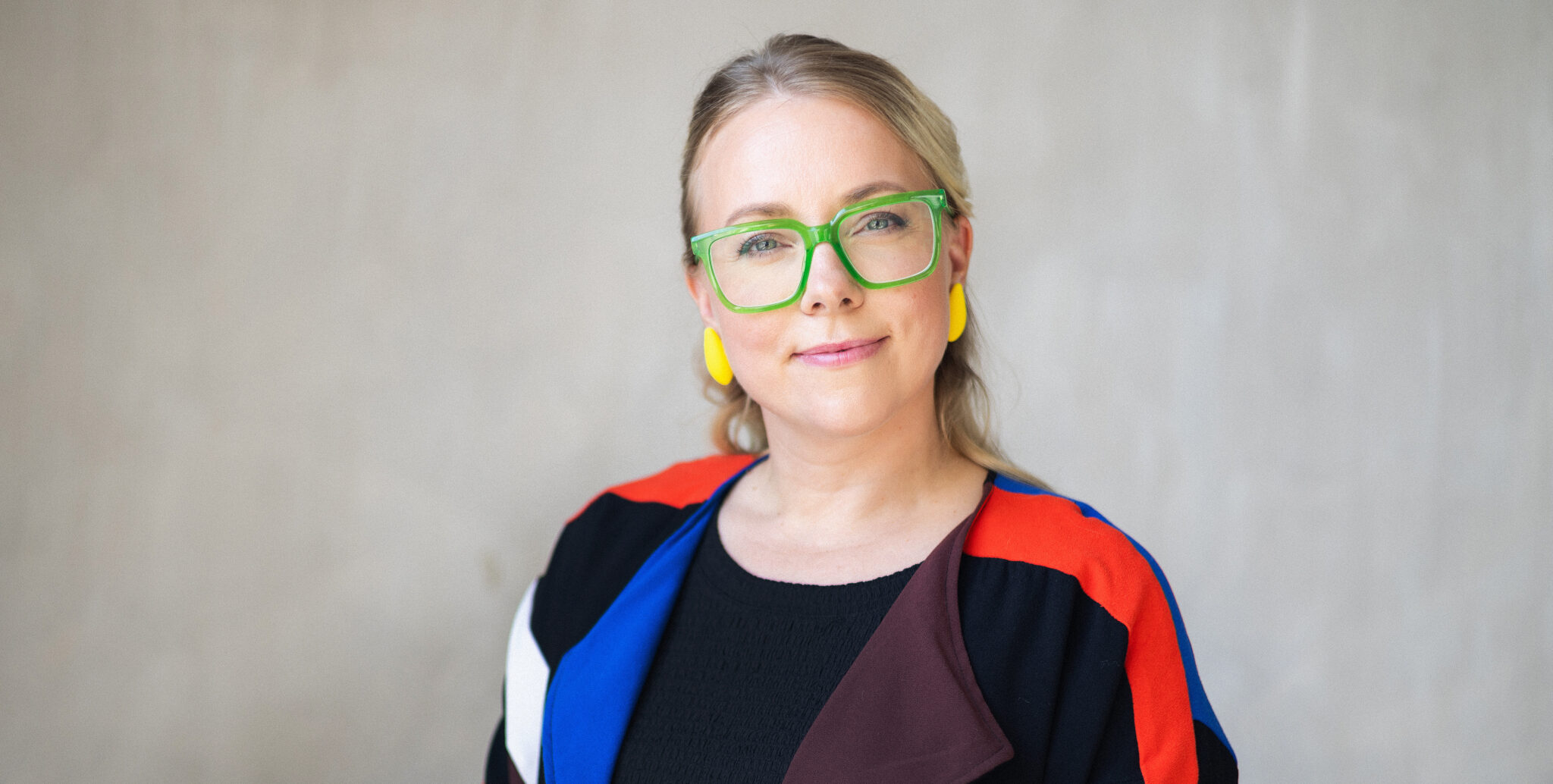
Maarja Merivoo-Parro has officially taken up the role of Director of the Occupations and Freedom Museum Vabamu. An internationally recognised historian, she has spent her career building bridges between academia and the wider society, and now aims to lead Vabamu into its next stage of development together with the museum’s team.
Interestingly, Merivoo-Parro is both Vabamu’s newest and longest-serving team member, as she is the only current employee who was involved with the museum during its previous major transformation a decade ago. At that time, Vabamu’s current permanent exhibition was created, and Merivoo-Parro served as one of its curators. Throughout her career, she has curated numerous permanent, temporary and travelling exhibitions that have reached both Estonian and international audiences. This experience provides a strong foundation as she leads Vabamu at a time when the museum is preparing to renew its permanent exhibition ahead of the 110th anniversary of the Republic of Estonia.
In recent years, Merivoo-Parro has lived the life of an international scholar, conducting research, writing and lecturing around the world. That experience is already shaping her priorities as the museum’s new Director.
“There is an endlessly fascinating story in Estonia’s recent past that deserves a permanent place in Vabamu’s repertoire: the story of e-Estonia. Having lived in several countries, I can confidently say that Estonia’s digital society has profoundly improved our way of life. How did it all come about? What can we learn from this story in order to spark our next wave of innovation? What can the rest of the world learn from Estonia’s trailblazing experience? These are the questions I hope to tackle first, together with researchers, curators and of course the people who set Estonia on its digital path,” she explains.
Sylvia Kistler-Thompson, Chair of the Vabamu Board and daughter of the museum’s founder Olga Kistler-Ritso, said: “Maarja’s expertise, international experience and ability to engage people across generations give us every confidence that under her leadership Vabamu will continue to grow as an even more influential place for exploring freedom, history and democracy.”
Vabamu’s mission is to engage the public in reflecting on the fragility of freedom and to inspire people to safeguard it. In addition to the Vabamu Museum and the KGB Prison Cells, the organisation includes the NoVa educational platform, which promotes civic engagement among young people, and the Global Conversations programme, which builds international dialogue and partnerships. Together, these initiatives foster discussion about Estonia’s recent history, democracy and the value of freedom, both in Estonia and internationally.
Q&A with Maarja Merivoo-Parro
1. What is your first professional goal as Director of Vabamu?
There is an endlessly fascinating story in Estonia’s recent past that deserves a permanent place in Vabamu’s repertoire: the story of e-Estonia. Having lived in several countries, I can confidently say that Estonia’s digital society has profoundly improved our way of life. How did it all come about? What can we learn from this story in order to spark our next wave of innovation? What can the rest of the world learn from Estonia’s trailblazing experience? These are the questions I hope to tackle first, together with researchers, curators and of course the people who set Estonia on its digital path.
2. Why should every person living in Estonia visit Vabamu?
Vabamu is a beacon of hope: it explores the extraordinary stories of our people and hands over a toolkit to reflect on one’s own path in this country and life in general. Vabamu reminds us that even in the most difficult circumstances, each of us has the power to make a difference – for ourselves and for others. Our museum empowers people and offers hope. And hope is what paves the path forward.
3. What do you hope Vabamu will be like three years from now?
My greatest hope is that the plans in my mind will not be implemented exactly as I envision now. Instead, I hope they will evolve through collaboration with wonderful colleagues and partners, and eventually take shape in ways that would genuinely surprise me, pleasantly, if I could look three years into the future today.
4. What fills your cup?
Good Estonian tap water! Or hiking to a forest stream, floating in a lake or boating on the sea. Water, forests, rocks and the wind all have a kind of magic to them. They mess up my hair, and straighten out my mind.
5. If you could travel through time, which period would you choose to visit, and why?
As a historian, I often feel that I already do travel through time. Immersing myself into historical sources makes the past feel tangible and real. Halfway through a research project, when I am in deep enough, I reach a peculiar and rewarding state of mind, characterized by a peaceful absorption, long thoughts and intellectual thrills.
6. What book would you recommend?
I recently read my late grandmother’s small pocket diary. Its brief and understated entries opened a window onto the time when she was my age. The idea of being young alongside your ancestors has always captivated me and I’ve even tackled it in one of my literary works. Whenever I advise communities on archival matters, I always emphasize that while passports, diplomas and driving licences certainly have their value, it is in fact letters, postcards, diaries and other personal papers that reveal far more about a person’s life and era. Sadly, these are often the first things people discard when cleaning out the homes of their dearly departed. In their place, archives are being offered stacks of old newspapers, but those usually exist in abundance and moreover, many have even been digitised. So, in search of truly eye-opening reading material, I encourage everyone to look around and see whether there are some fascinating sources of family history lying around. Save them, read them, and expand your outlook on life!