Back
Back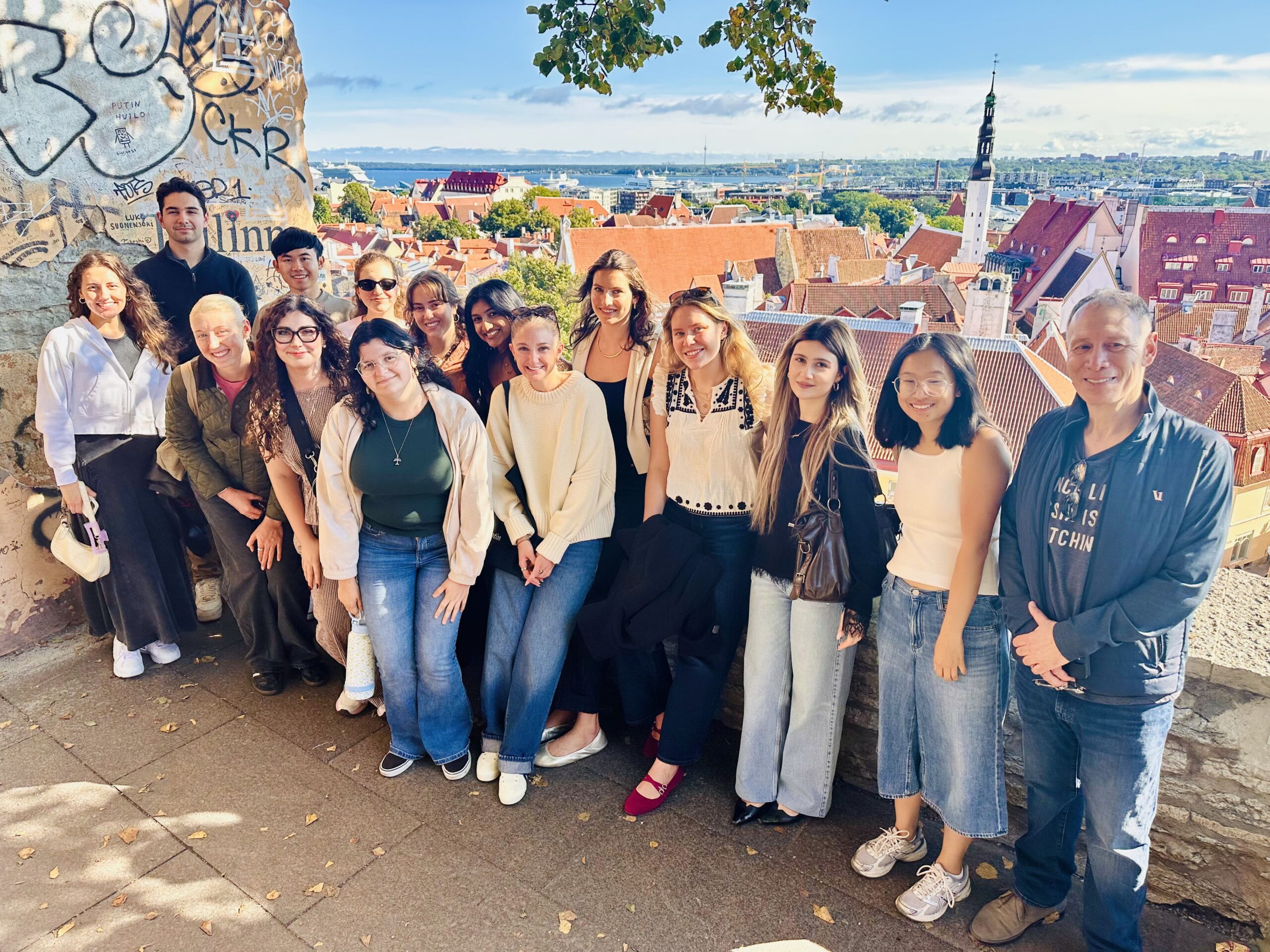
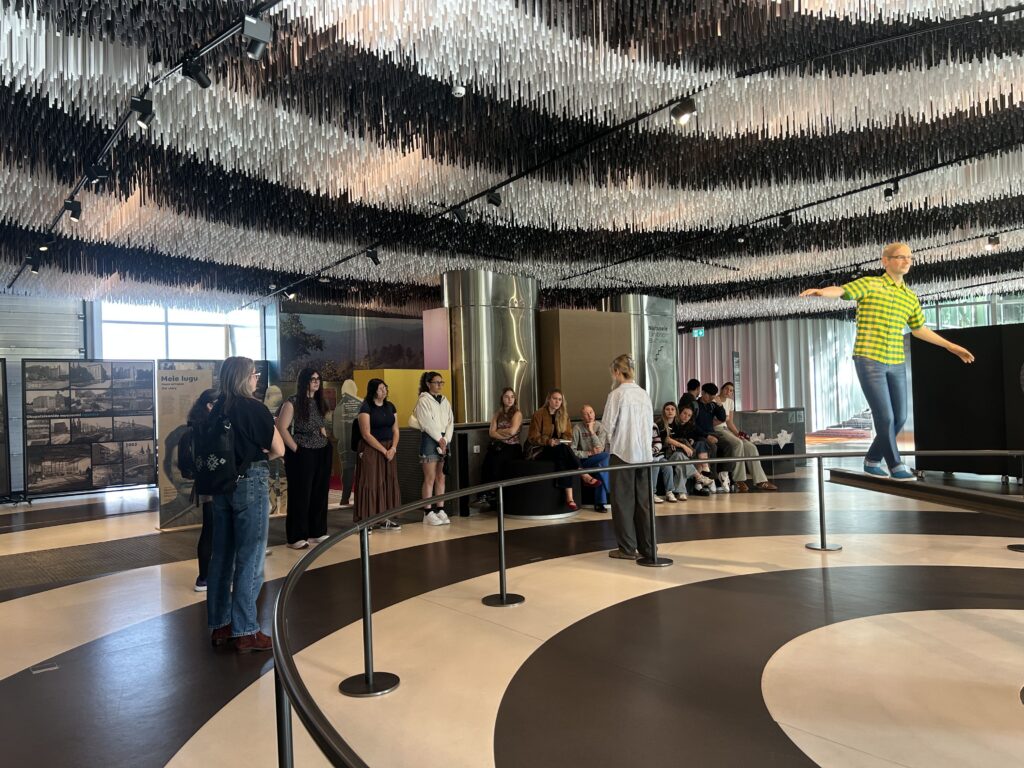
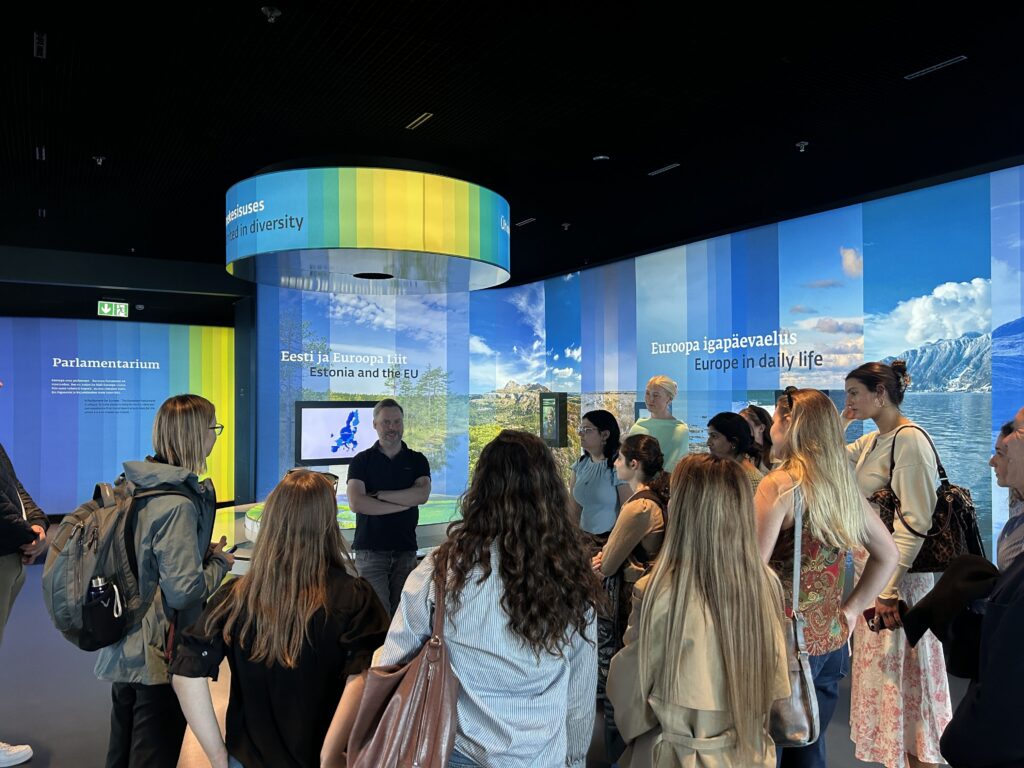
In a first-ever partnership between Stanford University’s Bing Overseas Studies Program and Vabamu, 15 Stanford undergraduates visited Estonia and Latvia in September to learn about the region’s complex history as well as the challenges it faces today.
“Freedom is Not Free: The History and Memory of Estonia and Latvia,” was developed and led by Liisi Esse, curator for Estonian and Baltic Studies at Stanford Libraries, Amir Weiner, associate professor of history, and Kadri Paju, Vabamu’s former international projects manager.
“Stanford’s Overseas Seminars offer our students a wonderful opportunity to get to know a particular region by immersing themselves in its key issues and discussions with local experts for three weeks, while also visiting academic, governmental, and memory institutions,” Esse said. “We are very pleased that, after a long period of planning, we were able to organize such a seminar in the Baltic states for the first time, and we hope to be able to do so again in the future. In any case, following this seminar, Estonia and Latvia now have fifteen new young friends and ambassadors who understand our issues and perspectives and can share them with others.”
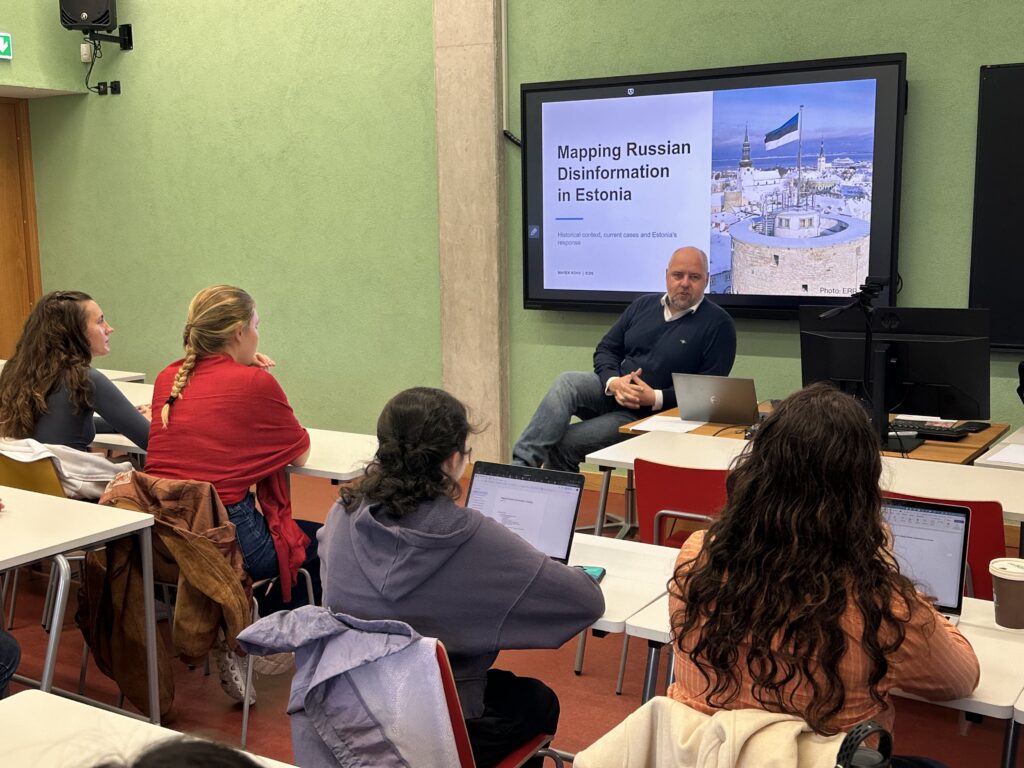
The fast-paced, three-week Global Seminar introduced American students, none of whom had previously visited the region, to leading scholars, politicians, and security, e-governance, and cultural experts in Estonia and Latvia.
Many of the speakers, such as Piret Ehin, professor of comparative politics at Tartu University, and Marek Tamm, professor of cultural history at Tallinn University, had spent time at Stanford as visiting scholars and researchers. Stanford alumni participants included Kristo Nurmis, an assistant history professor at Tallinn University, and Luukas Ilves, an AI advisor to the Estonian government.
Topics focused on the Soviet and Nazi occupations during World War II, and the subsequent Soviet occupation until 1991 when the Baltic states restored their independence. Students learned about e-governance, national security and defense, the war in Ukraine and its impact on Estonia, political and economic developments in Latvia, and Chinese influence in the region.
The students visited the occupation museums and KGB offices of both countries. They also explored leading art and history museums and went on guided walking tours of Tallinn, Sillamäe, Narva, Tartu, and Riga. They visited Stenbock House, the seat of Estonia’s government, climbed to the top of Narva Castle overlooking the border with Russia, and met with Baiba Braže, Latvia’s foreign minister, and Zanda Kalniņa-Lukaševica, deputy speaker of Latvia’s Saeima parliament.
At the end of the program, the students wrote essays reflecting on what they had learned. Most had applied because they knew almost nothing about the region, and they said that the knowledge and experiences gained during the program would serve them well in their future careers.
“The Baltics Global Seminar program was one of the most academically transformative experiences of my undergraduate career,” said Abby Copeland, a master’s student in public policy. “Through the incredible lectures, museum visits, and cultural experiences on the trip, I found myself evaluating and reevaluating the fundamental questions of how democracies come to be, what threatens them most, and, most vividly, what’s at stake if they’re lost. Every student, regardless of discipline, would learn tremendously from the Baltic story.”