 Gaby
Gaby
My greatest takeaway from this summer is that freedom is a verb—something that must be actively and continuously worked toward. That concept came to life through my time at VABAMU, which models this idea exceptionally well. From the moment I arrived, each day felt like a new adventure. I’m so thankful I was able to participate in such a meaningful opportunity that challenged me both personally and intellectually.
As an African American, I understand the deep importance of freedom and the role that historical memory plays in preventing future injustices. This internship gave me the opportunity to explore freedom through another cultural and historical lens—one that I likely would never have encountered otherwise. Learning about Estonia’s complicated past and its continued efforts to protect and honor its freedom has truly shifted my worldview for the better. Estonia’s relationship with freedom is unique. Despite enduring multiple occupations, the Estonian people never let their voices be fully silenced. They carried the spirit of their country with them in quiet acts of resistance and cultural pride. Whether we were researching upcoming exhibits, translating archival documents, or spending time in the collections archive, I felt connected to that legacy.
One project that stood out to me was helping edit exhibit translations and subsequently learning about the emigration of Estonians to Crimea in the 1860s. This niche history helped me understand how deeply layered Estonia’s past is, especially how people sought freedom even long before the 20th century occupations. This research deepened my knowledge of Estonian history and added valuable context to the work we were doing on new exhibits. It is incredibly exciting to know that something I helped write will be used in future exhibitions. Working in collections was another powerful experience. Digitizing and cataloging photos allowed me to engage with the more intimate side of Estonian history. From joyful dinners to somber funerals, I was able to witness the full sweep of a family’s life, all through these beautifully captured moments. These deeply human moments reminded me that history isn’t just about politics or dates—it’s about real people, their struggles, and their joys.
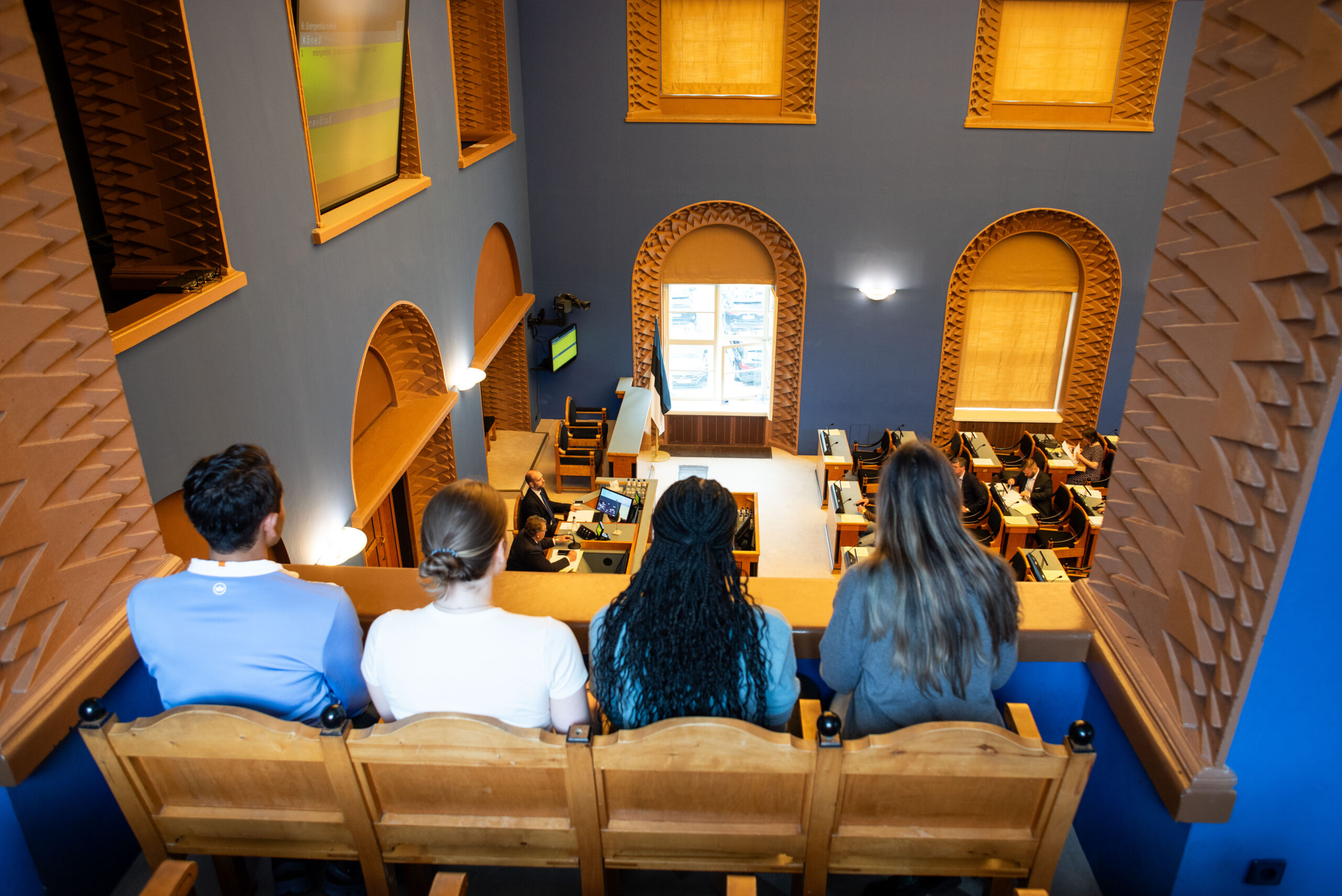
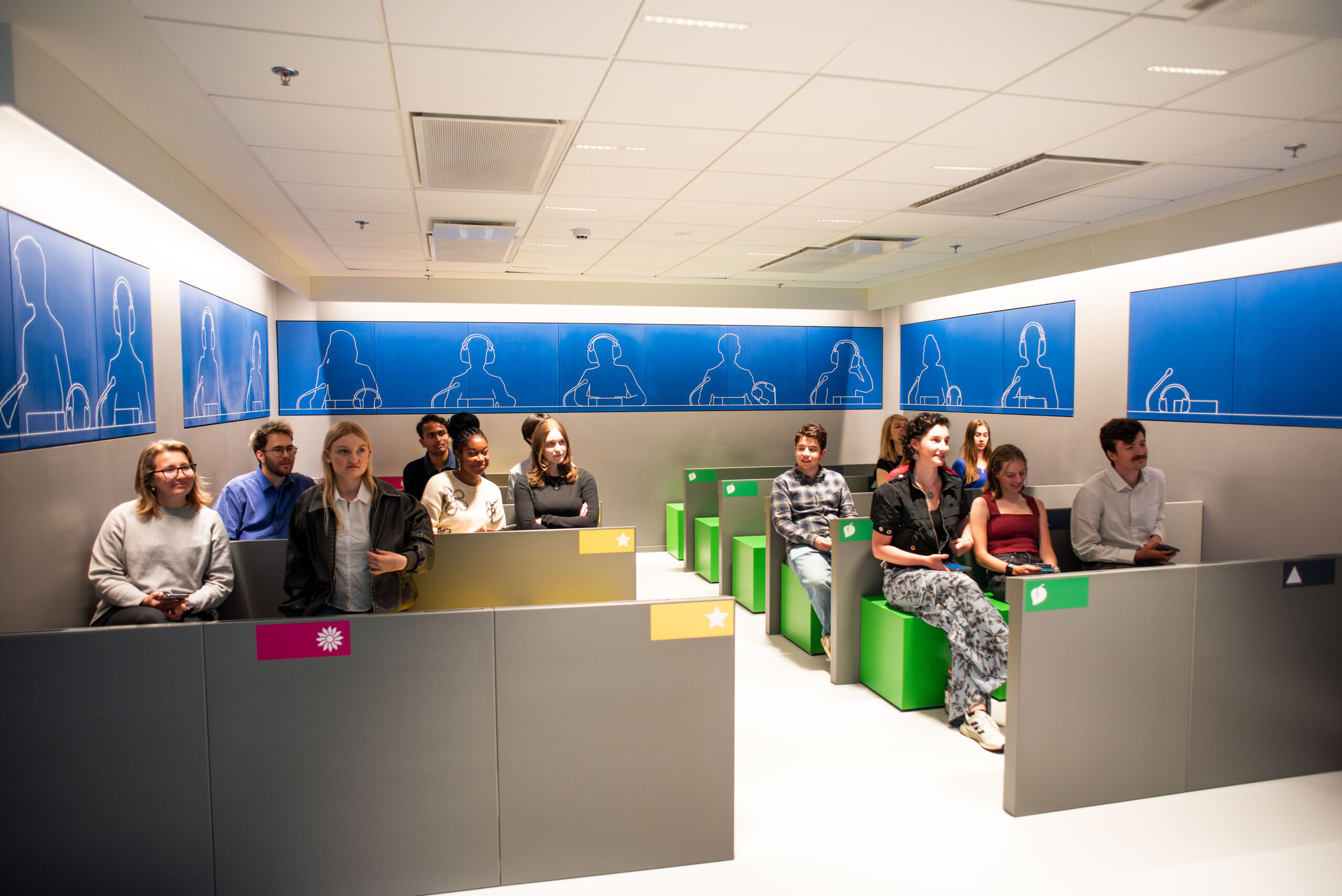
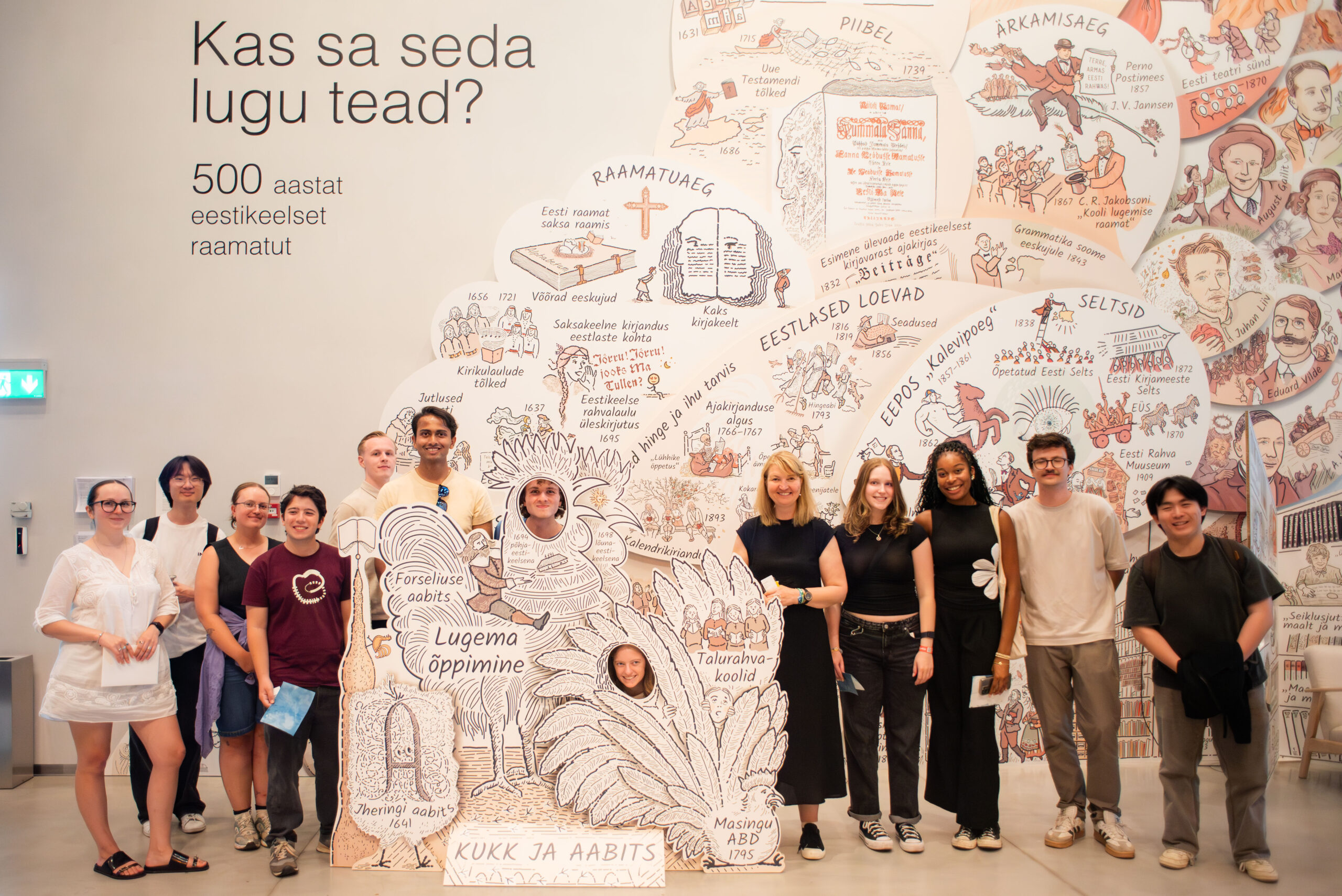
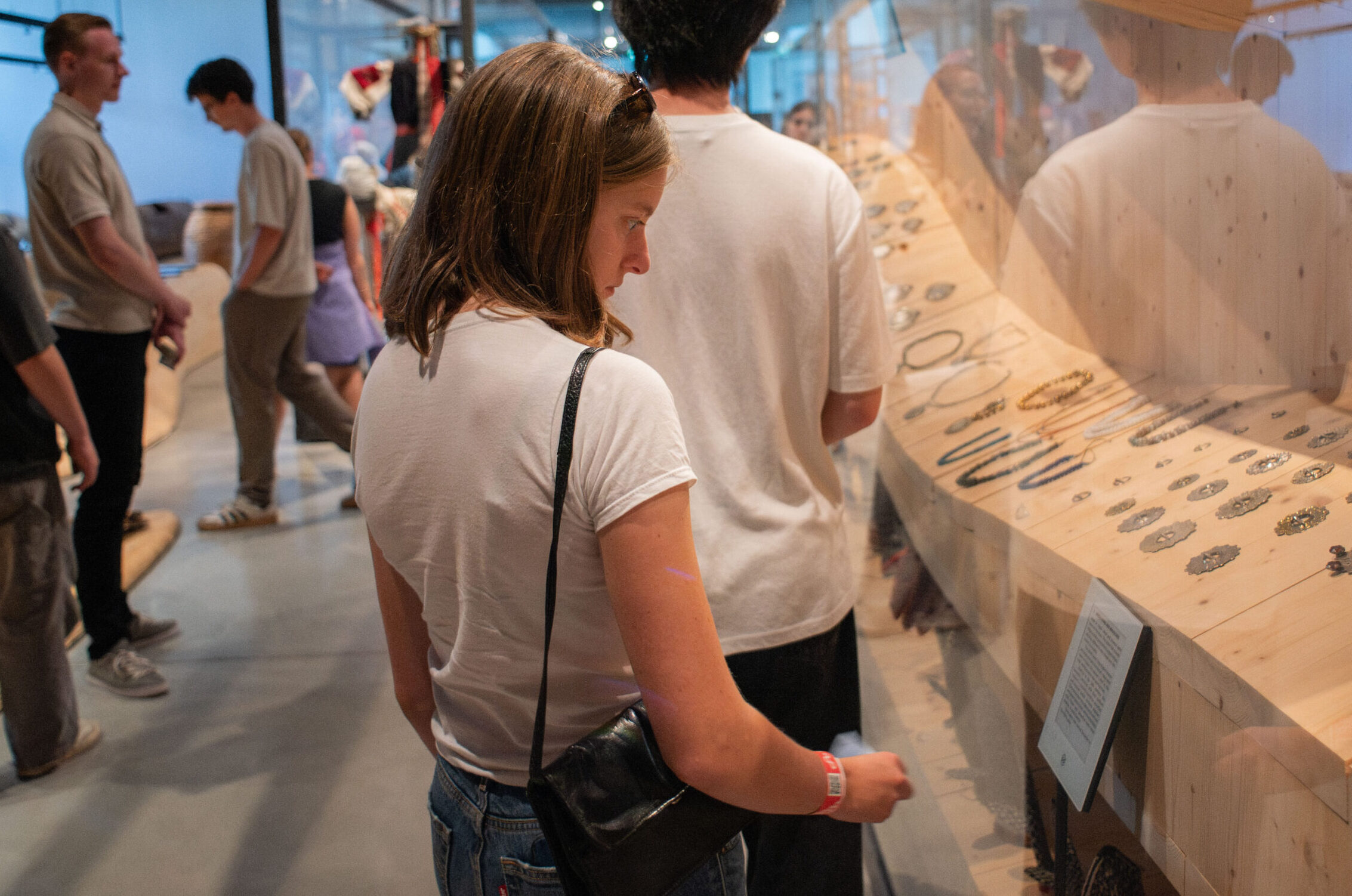
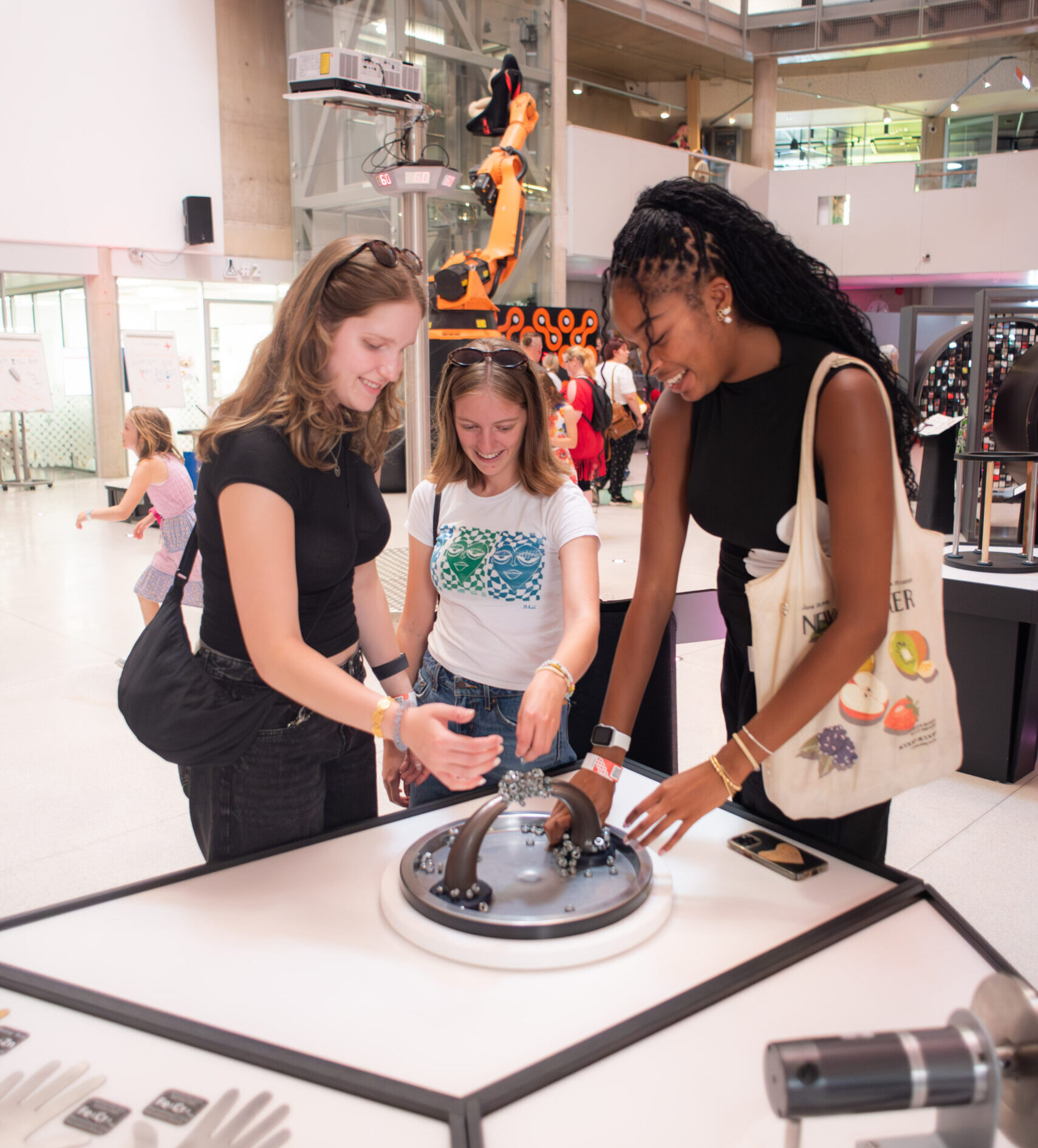
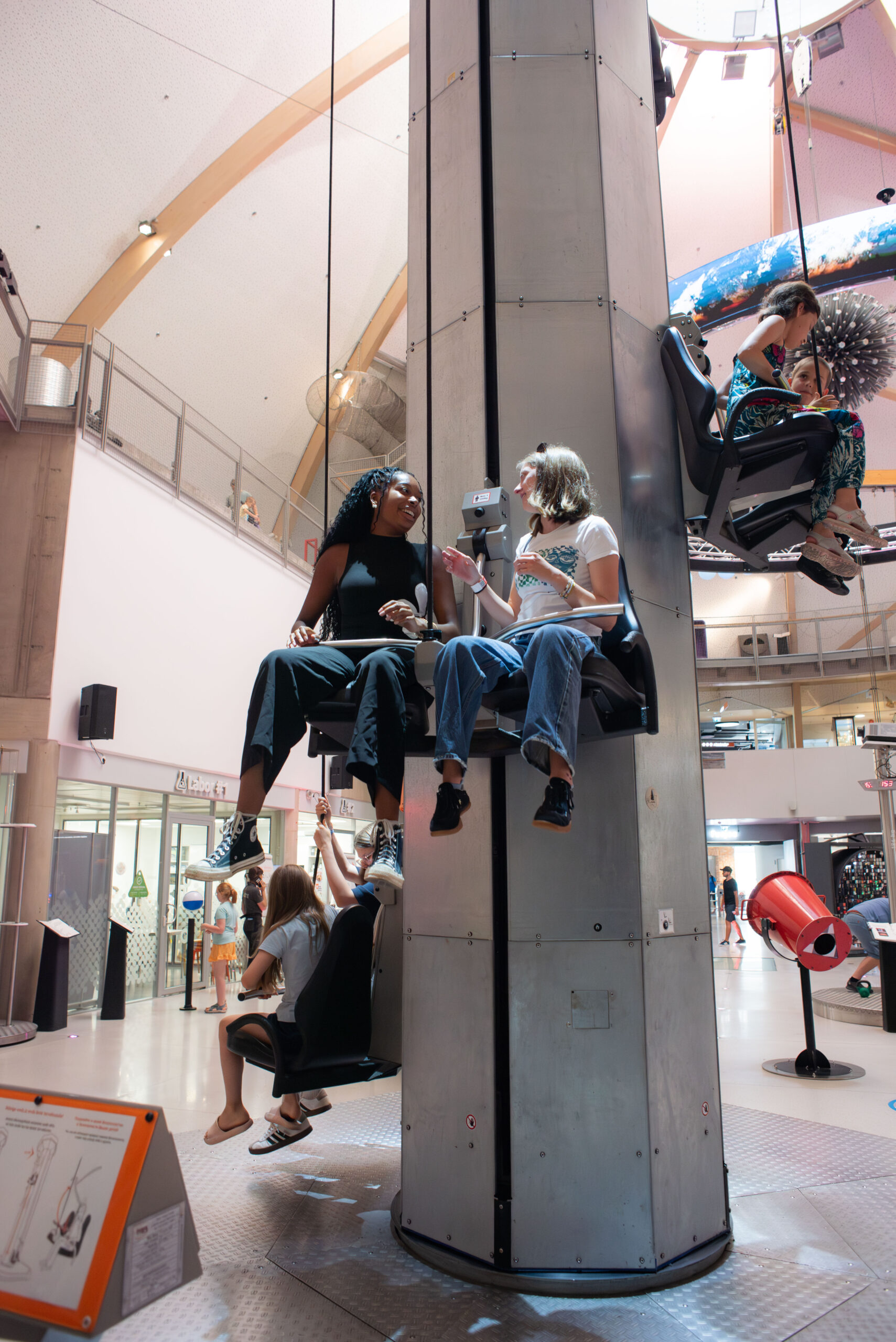
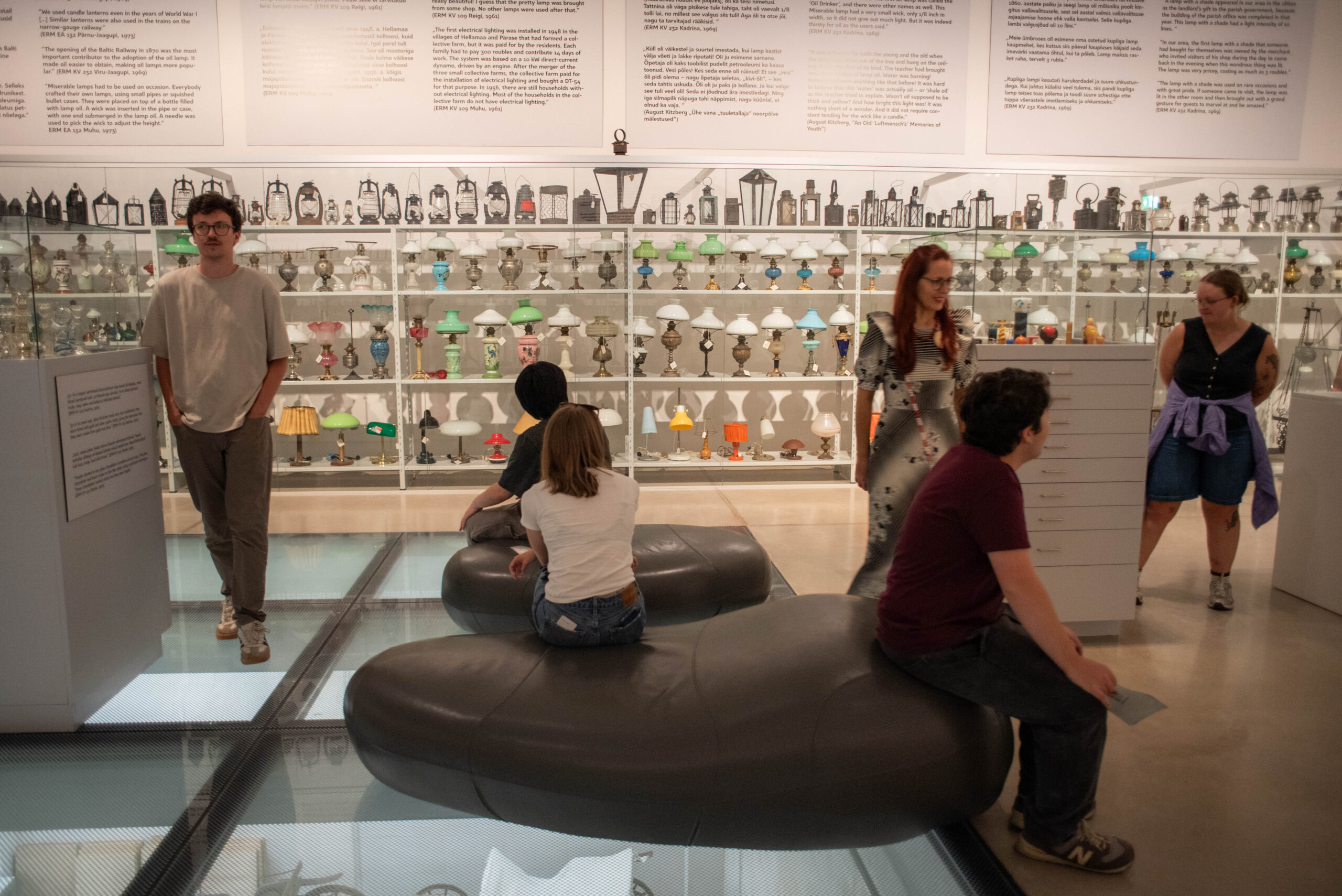
Furthermore, visiting museums also gave me insight into the inner workings of public history spaces. Institutions like Kumu Art Museum and Fotografiska taught me about the technical aspects of displaying art—from the importance of lighting and design to curating a smooth, cohesive flow between galleries. Meanwhile, the Architecture Museum stood out for its interactivity. With hands-on exhibits that invited visitors to build and explore, it showed me how museums can make learning engaging and fun. These visits expanded my thinking about what makes a museum experience not only educational but also memorable.
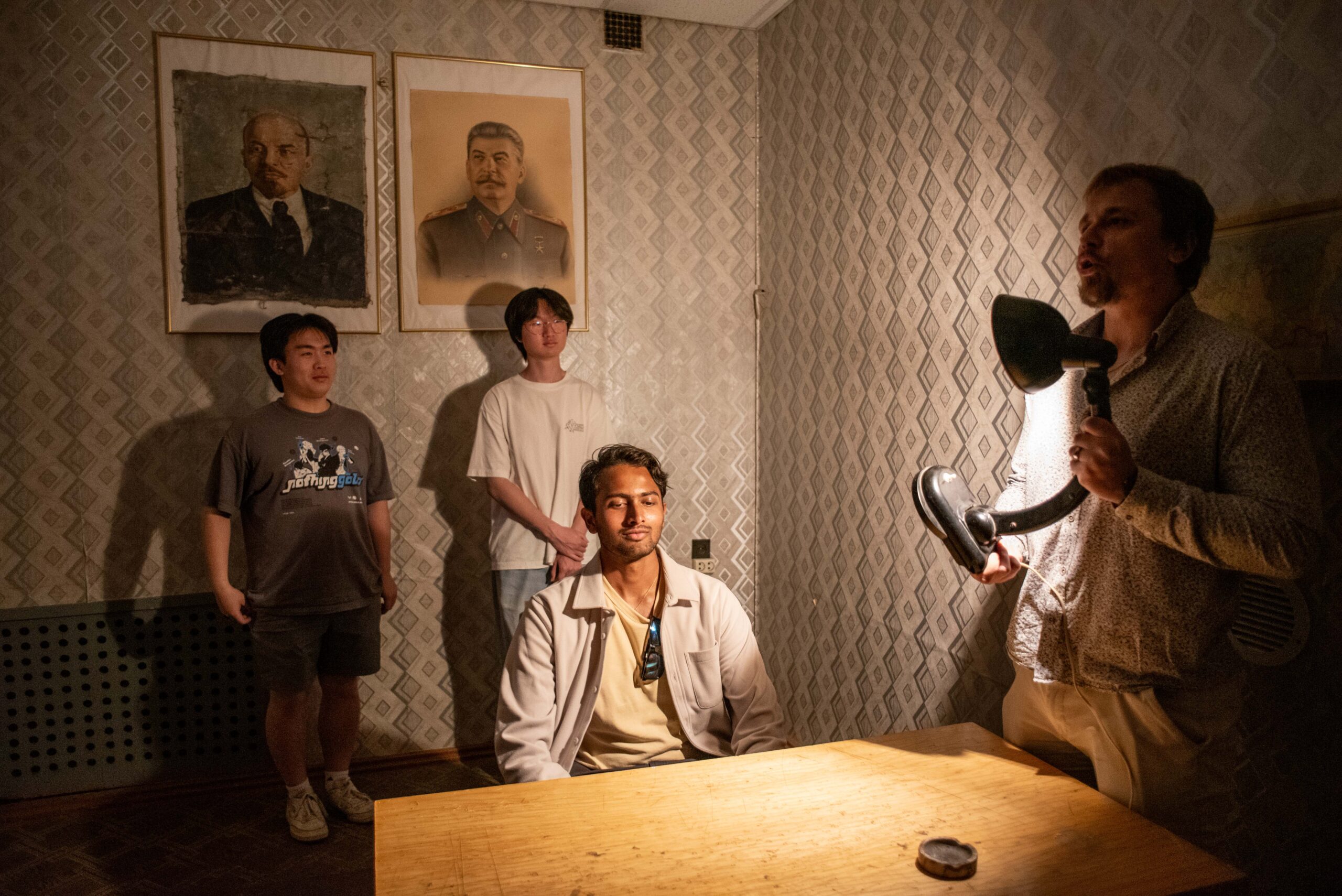
Another major highlight of my internship was giving tours of the KGB Prison Cells Museum. This was entirely new territory for me; public speaking, especially in such a sensitive and emotionally charged space, was outside my comfort zone. But over the course of three tours, I felt myself grow both personally and professionally. I developed a deeper understanding of the injustices that Estonians faced under Soviet occupation. Through stories like Ants, a forest brother who was betrayed by his best friend, and Aili, a teenage girl who distracted Red Army guards so others could destroy a Soviet monument, I began to understand the personal cost of oppression. These experiences improved my memory recall and public speaking skills immensely. Giving multiple hour-long tours made me more confident in how I present information and connect with an audience. One memorable moment was meeting an Estonian journalist whose grandmother had survived a KGB labor camp. It felt unbelievably full circle. She had listened to me describe something that her grandmother had experienced and provided me with another piece of Estonian history. That kind of personal connection made it feel all the more important to share this history accurately and empathetically. It was an honor to help share the story of a country that has become so important to me.
Laulupidu week, which marked the Estonian Song Festival, was one of the most moving parts of my summer. Taking around delegations from Stanford and beyond gave me the chance to reflect on how history and culture can connect people across the globe. I made incredible connections with Stanford alumni, all under the choruses of Estonia’s powerful musical traditions. Laulupidu and Tantsupidu (the dance festival) were stunning representations of Estonian resilience and pride. It was a week full of learning and community building, and I was especially grateful to be present for it, knowing that it only happens once every five years.
My very last week, I had the chance to work at Hüppelaud on Saaremaa Island, Estonia’s largest island. Hüppelaud is a camp where students are encouraged to invent and create products that fill a need that they see in their communities. There, I collaborated with groups of Estonian teenagers to develop functioning prototypes for start-up ideas—all in the span of one week. It was yet another week of building quick camaraderie and seeing firsthand the innovation that Estonia has become known for. I helped one group design a social media video app that transforms into a map, showing users where a video was taken so they can participate in similar experiences. Another group I supported created a makeup line with reusable packaging, paired with an app that tracks expiration dates and ingredient lists. The level of creativity and forward thinking among these students was inspiring, and I wouldn’t be surprised if a future unicorn startup emerged from this cohort.
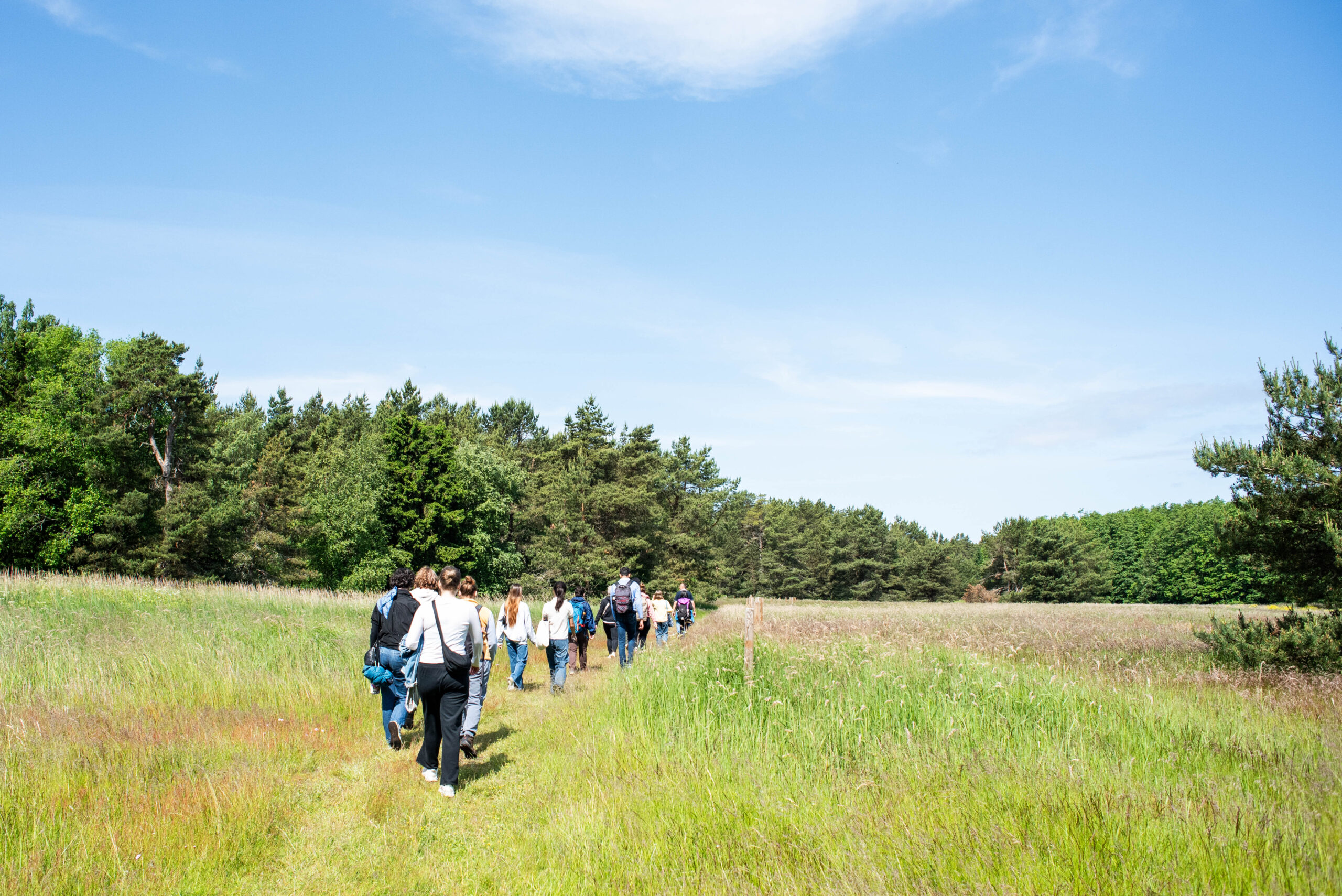
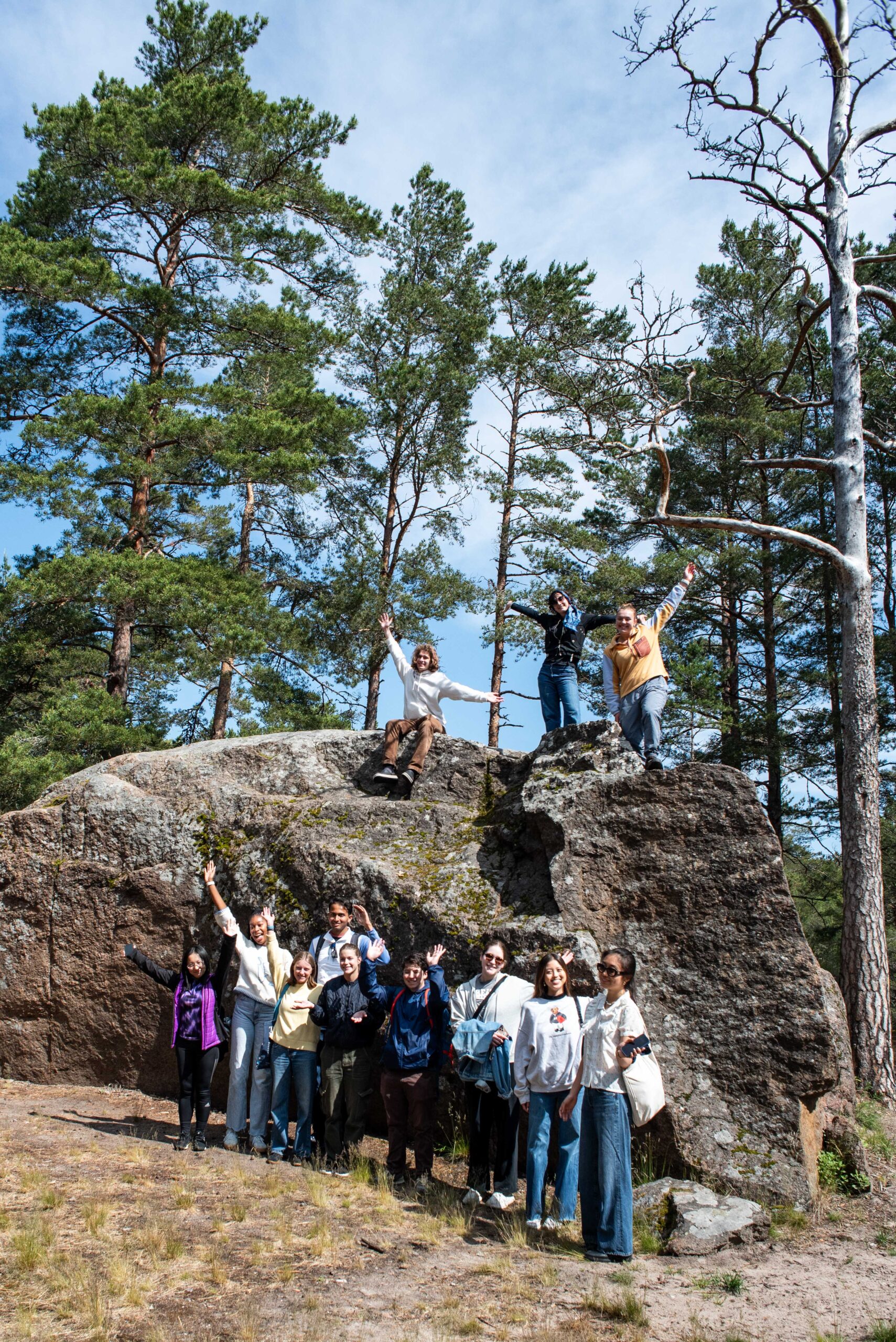
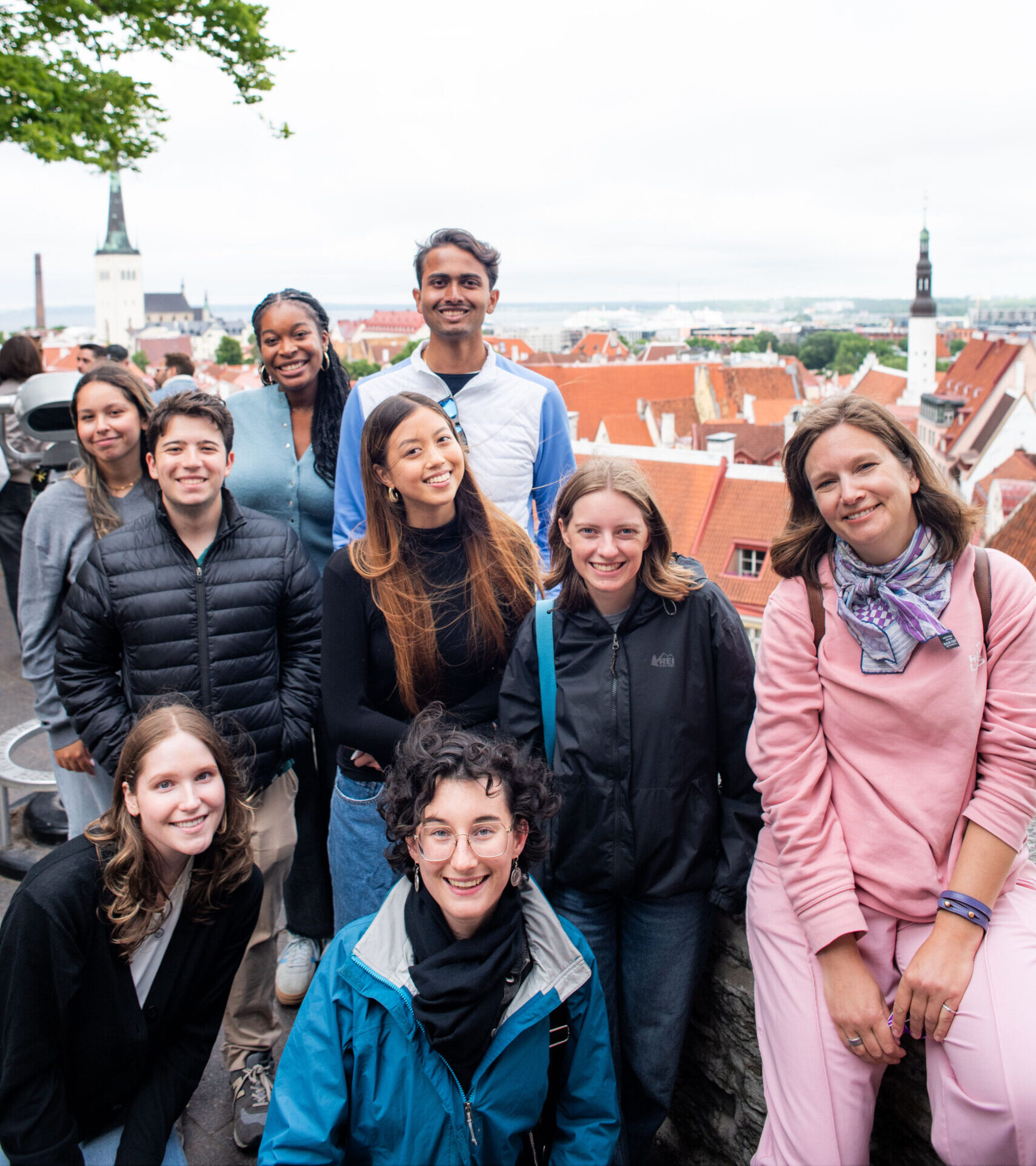
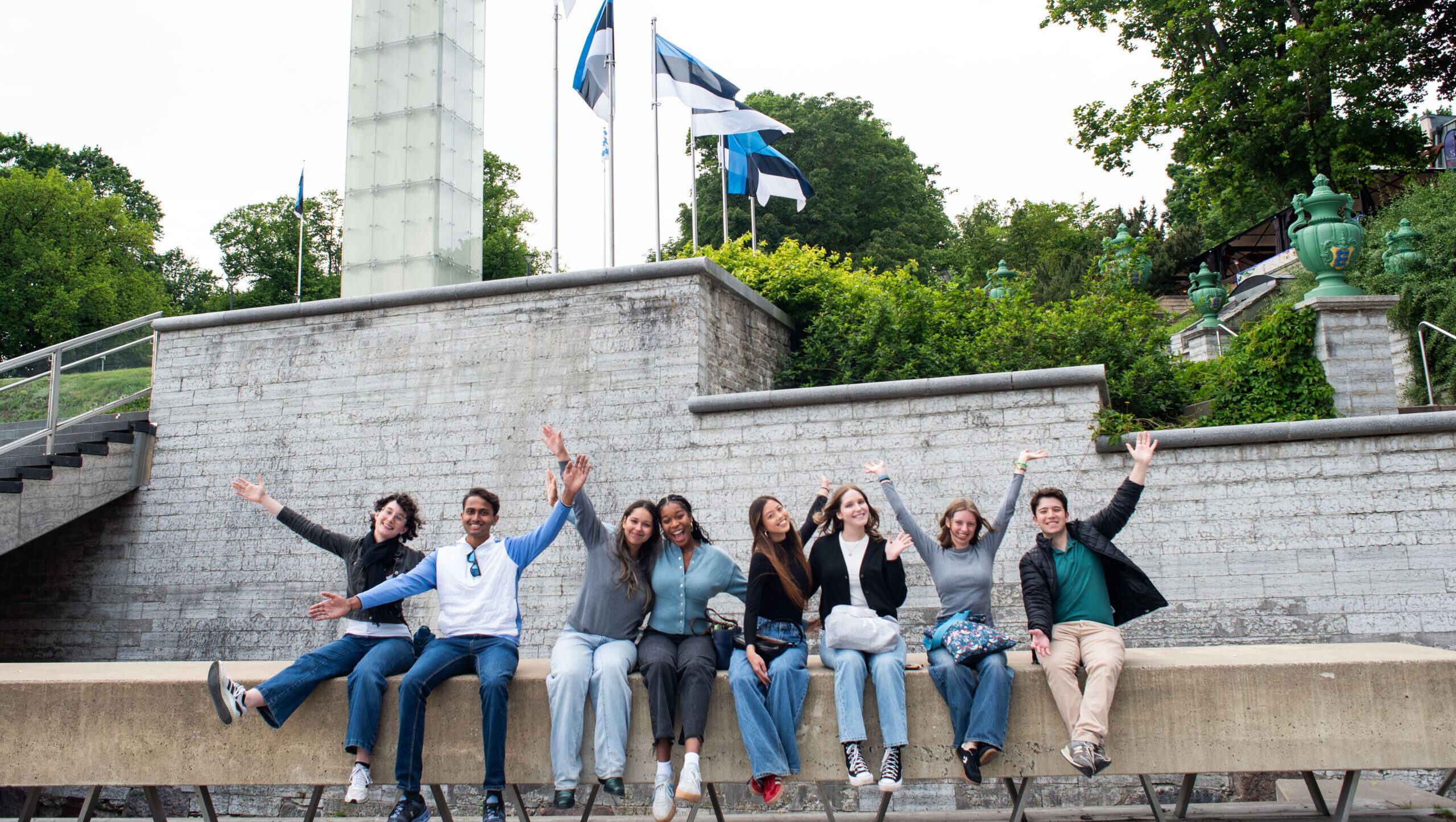
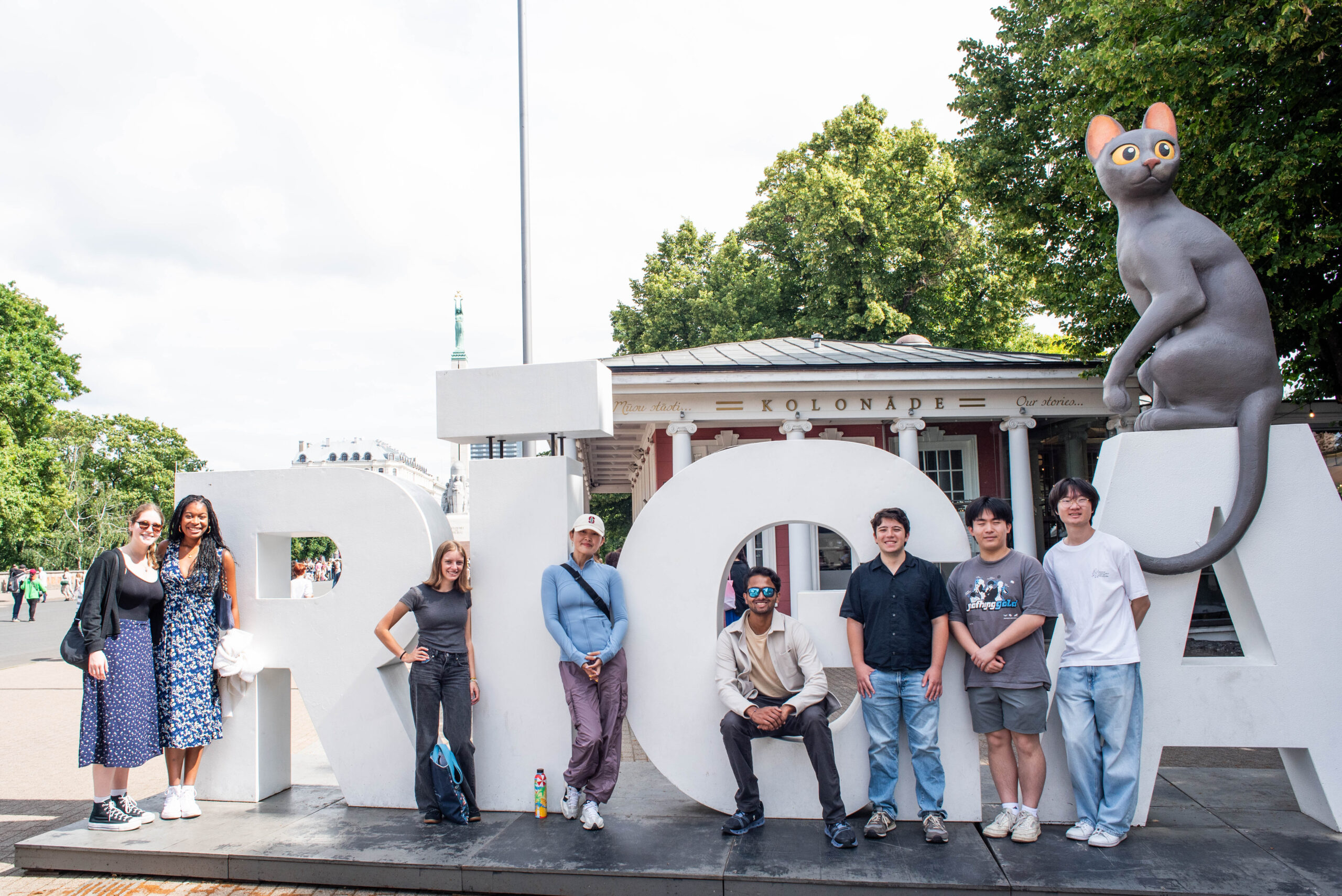
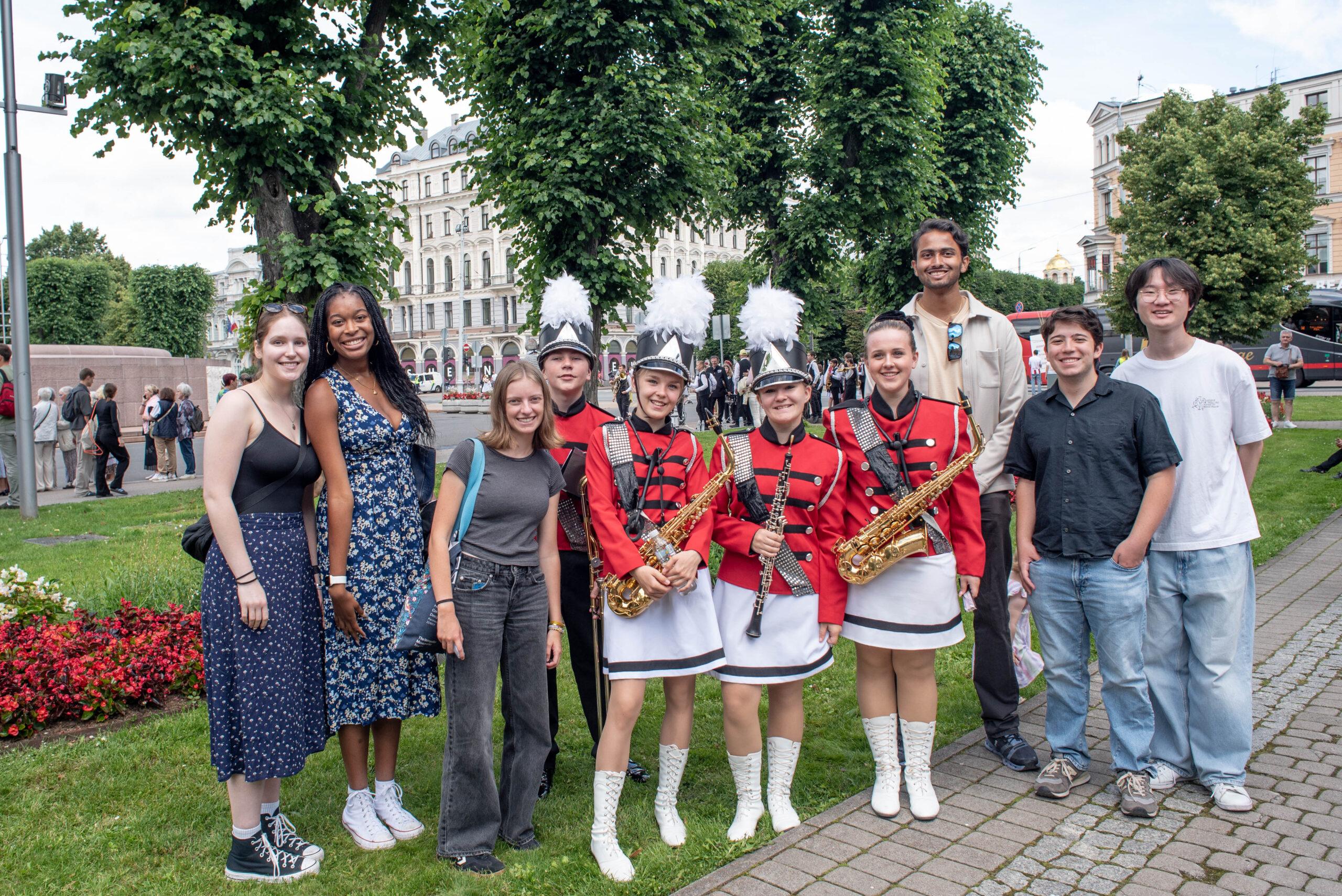
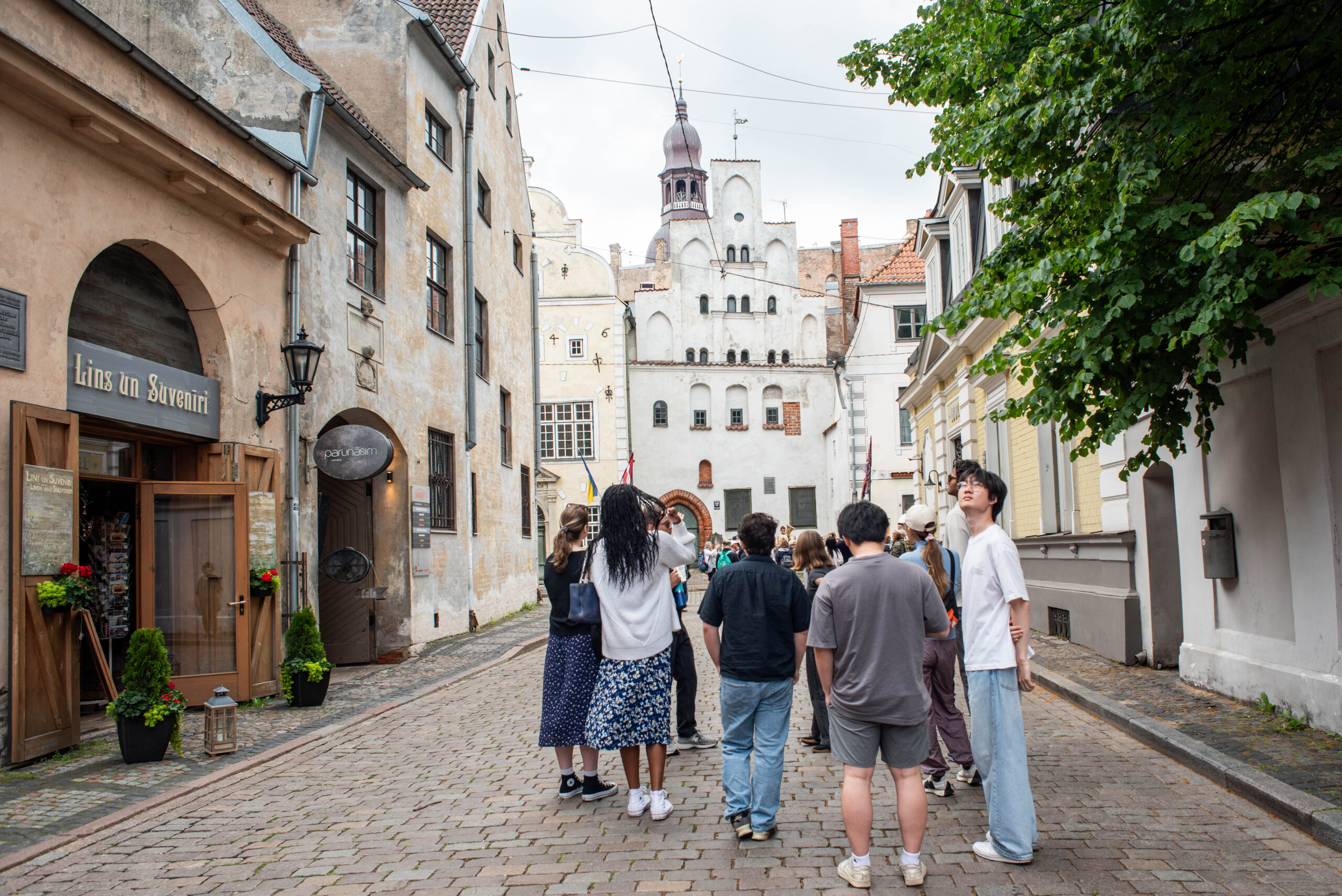
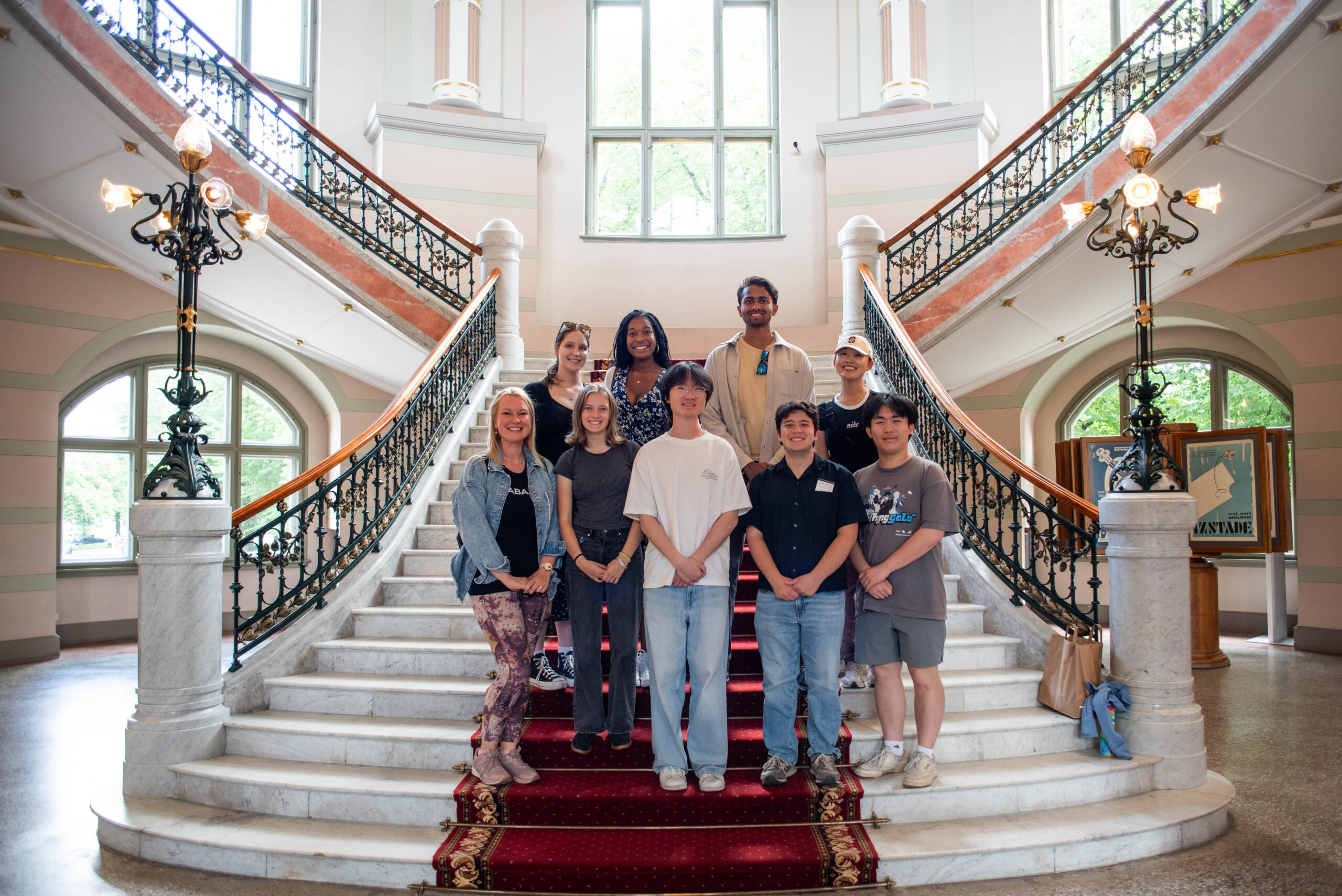
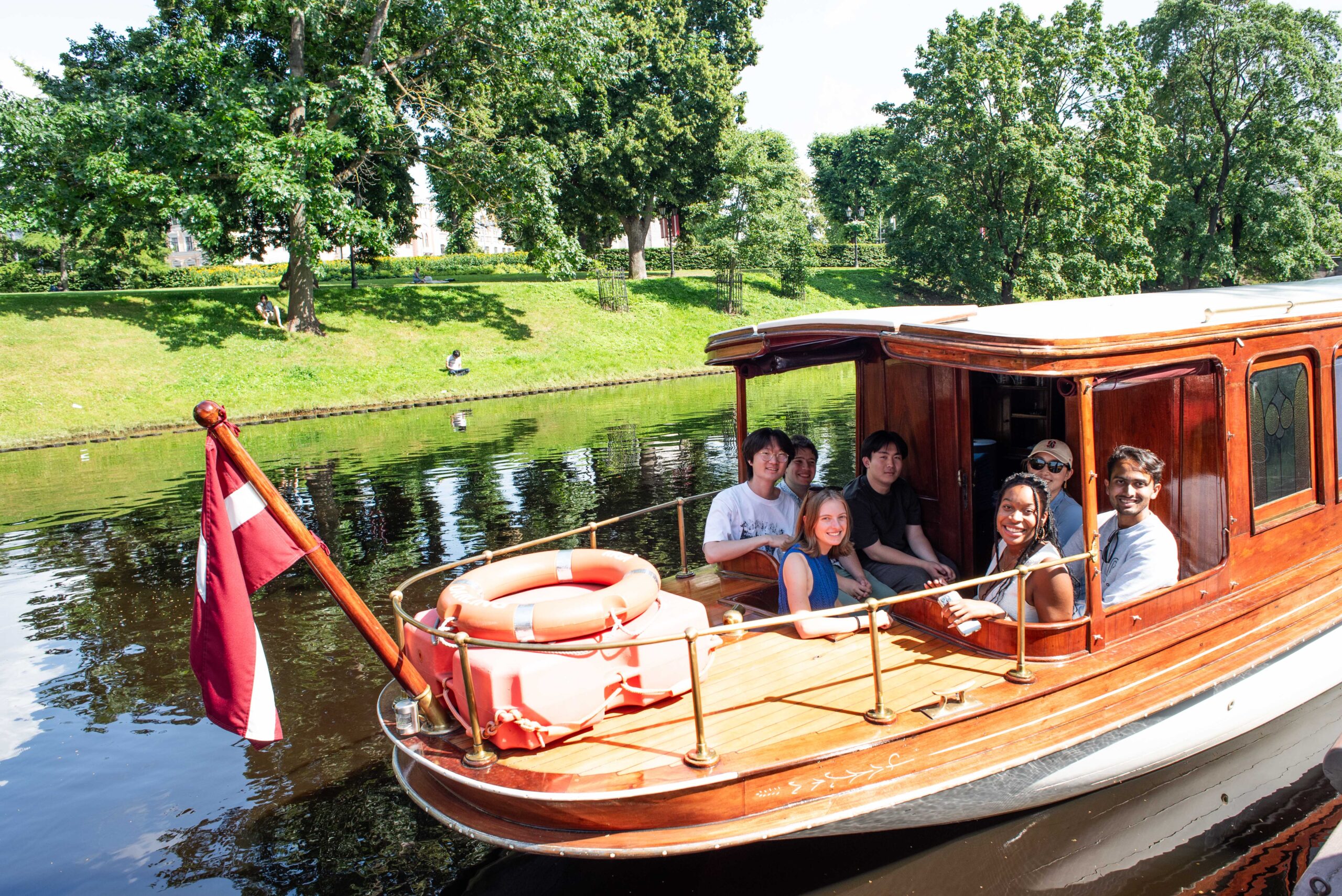
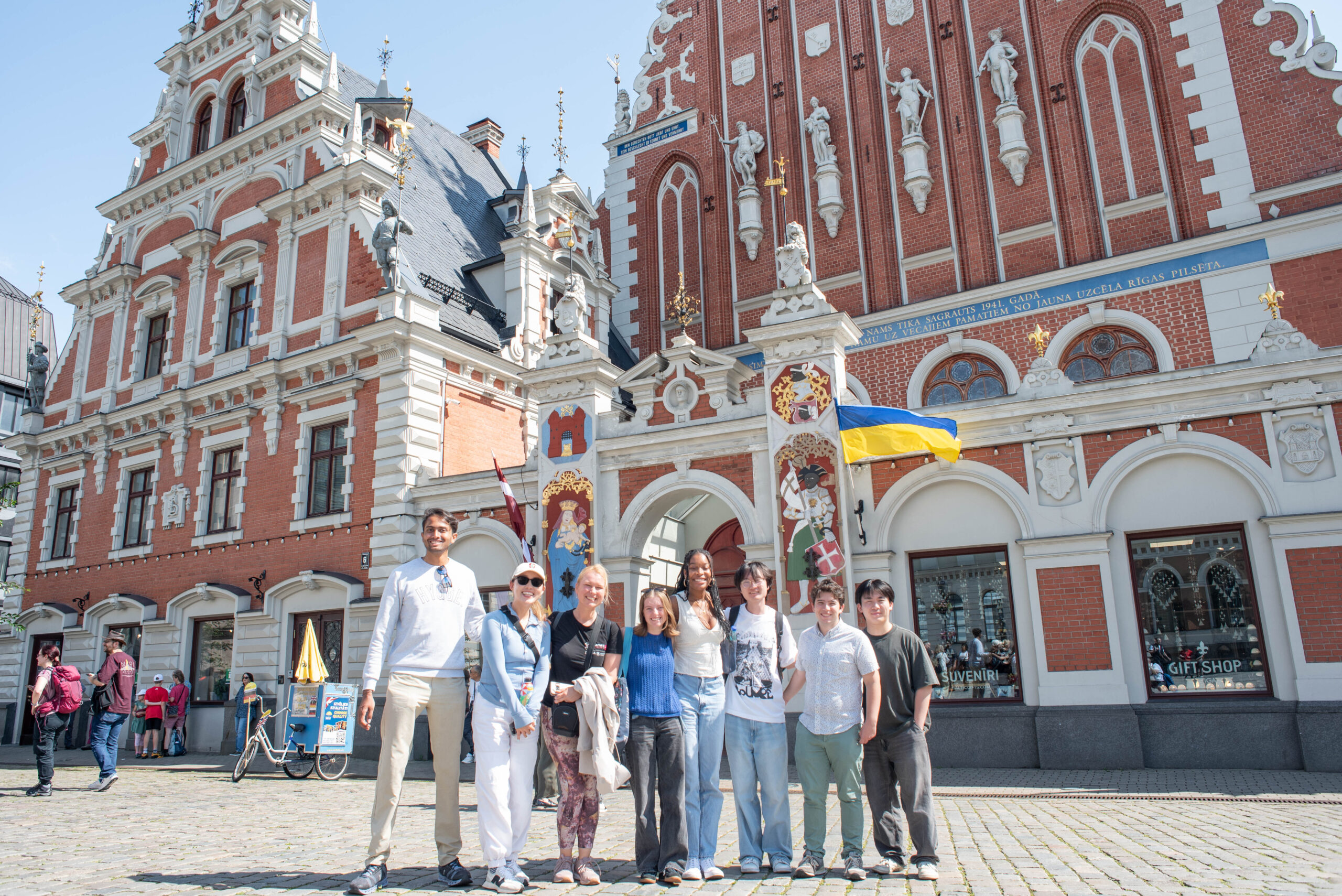
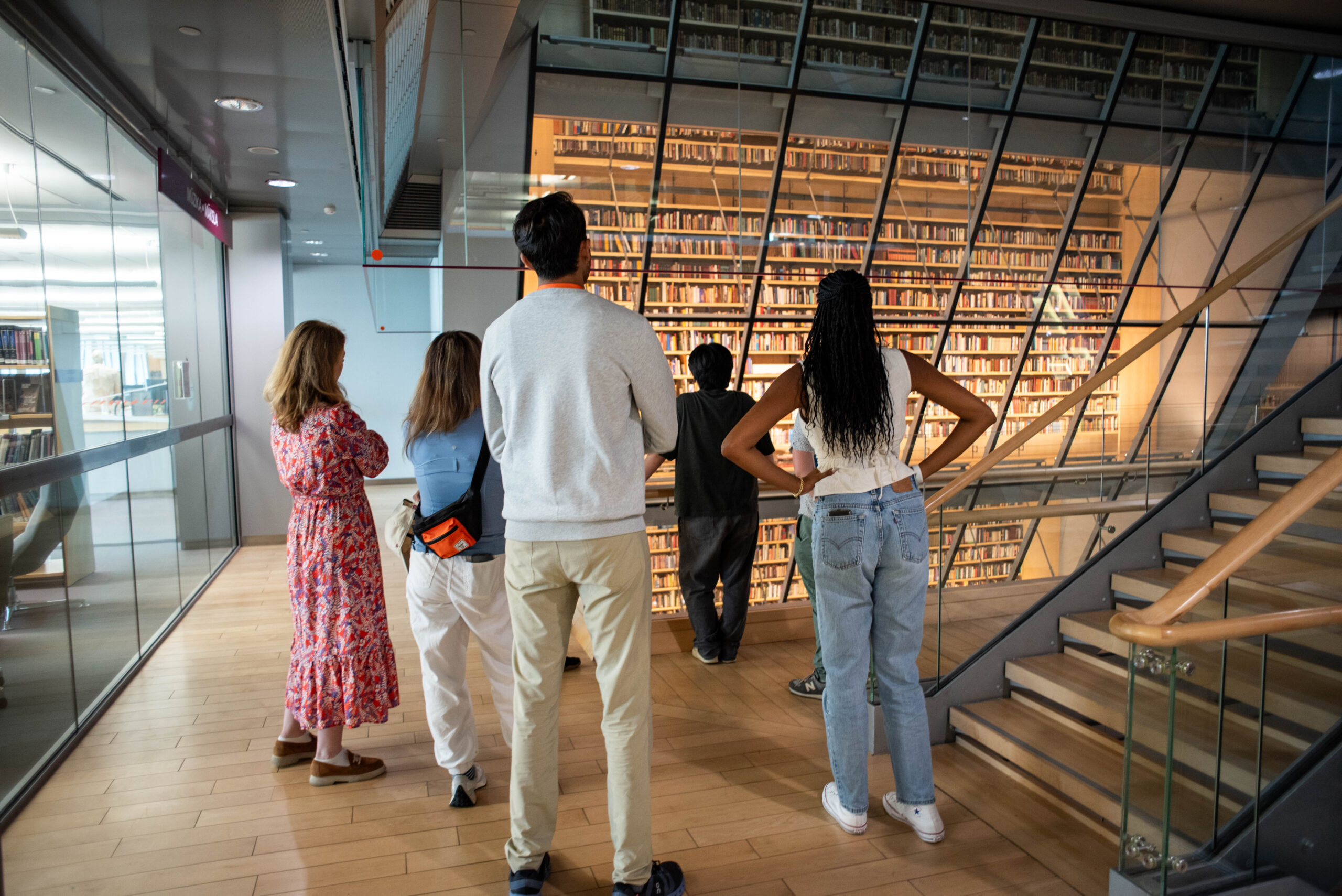
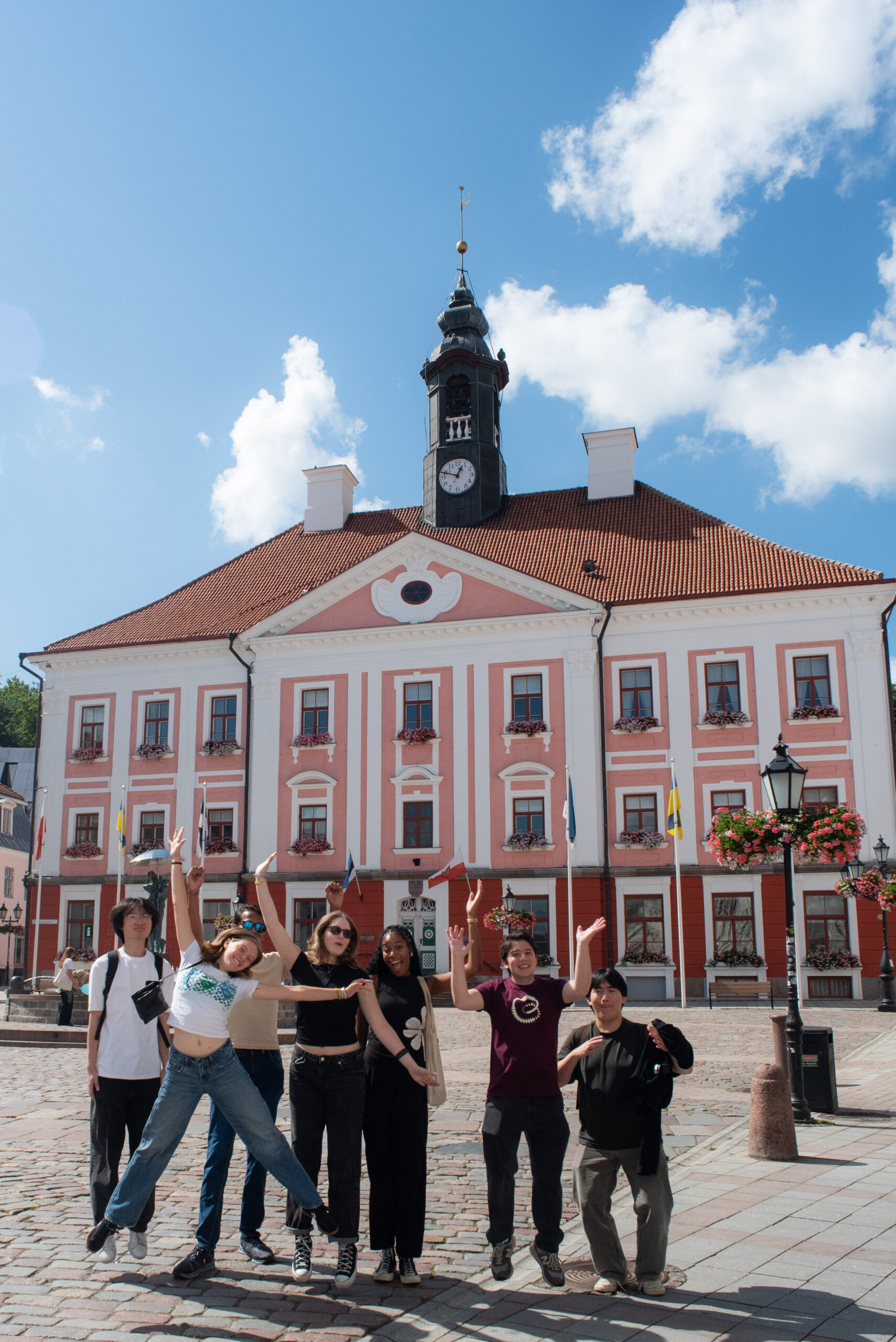
Some of the biggest highlights of my overall experience came from the Stanford trips. Our trips to Tallinn, Tartu, and Riga were the perfect combination of educational enrichment and bonding time with the intern cohort. Boat rides, walking tours, museum visits, and late-night conversations helped me feel deeply connected to the region and to the people I shared this experience with. These hands-on experiences made the cultures of the Baltics feel alive and dynamic, and I’m so grateful for every moment.
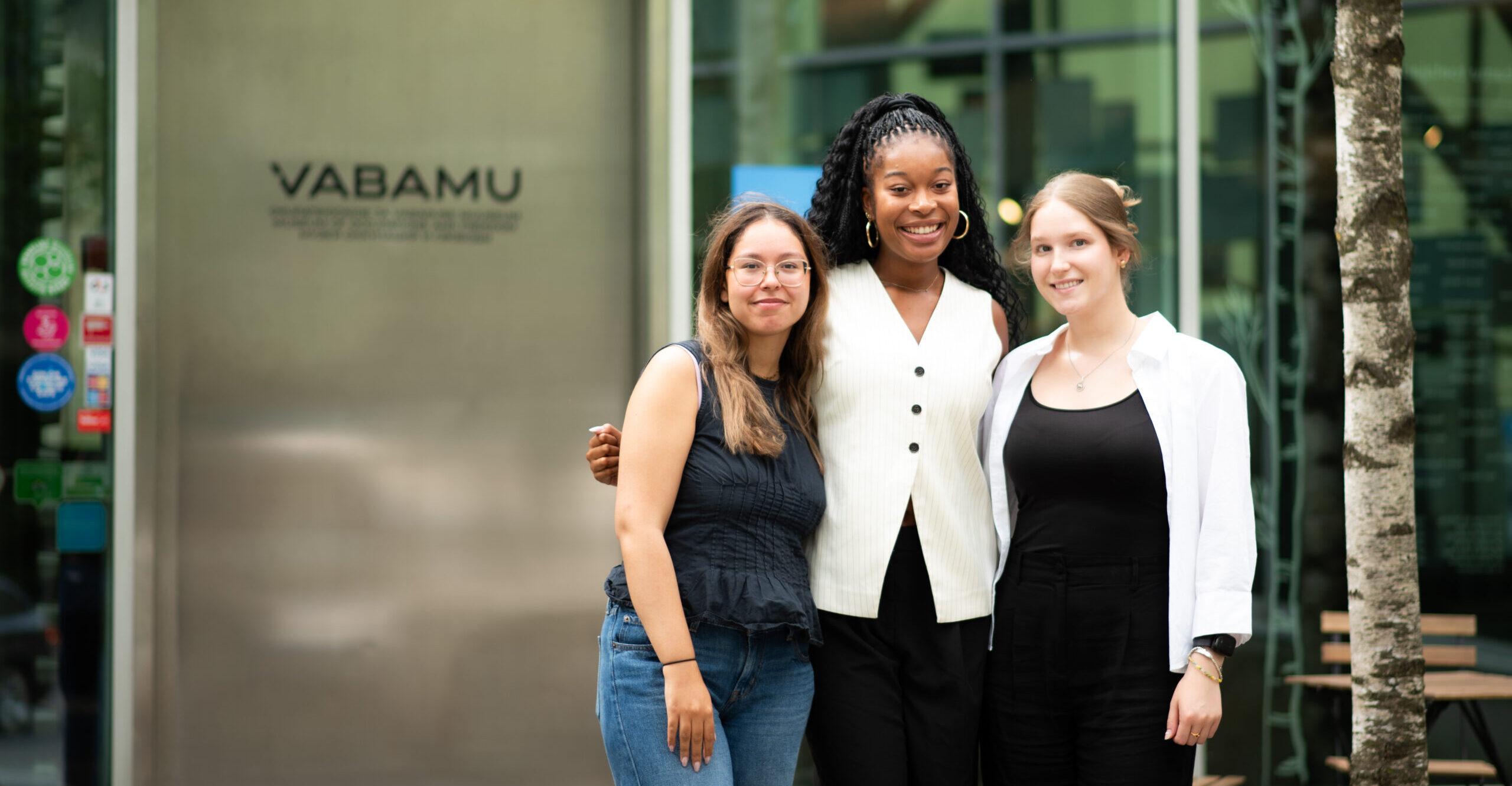
By far one of the most memorable parts of this internship was the people. The VABAMU staff were unbelievably welcoming and made a real effort to ensure that we were getting the most out of our experience. From casual coffee chats to team lunches, the office was filled with kindness and encouragement. It was a genuinely positive place to work—one where you could lean on your coworkers and feel uplifted by them. And of course, I can’t talk about this summer without shouting out the intern team. This group was absolutely amazing. I’m so unbelievably grateful to have spent the summer with Sarah and Ajsa, and I know I’ve made friends for life. In every way, this internship has been transformative. I’m immensely grateful for every part of it, and I know that I’ll carry these lessons with me for years to come. The Baltics and VABAMU will always have a special place in my heart!