
Reelika Runnel, Ministry of the Interior
The Short-Term Research Fellowship at Stanford University for Estonian Security and Foreign Policy Experts
Small Modular Reactors, Security Alliances, and Strategic Dependencies: Implications of U.S.-Linked Nuclear Technology Deployment in Estonia and the Baltic Region
Reelika’s research examines how the deployment of Small Modular Reactors (SMRs) in Estonia reshapes national security considerations, governance frameworks, and international relations. SMRs are a new generation of smaller and more flexible nuclear reactors that are expected to play an important role in the future of clean energy. As Estonia moves forward with establishing a national nuclear energy programme and plans to deploy U.S.-designed SMR technology, nuclear energy is becoming not only an energy policy issue but also a matter of strategic importance.
The project explores how the adoption of advanced nuclear technology influences Estonia’s security posture, international partnerships, and long-term strategic dependencies. Particular attention is given to transatlantic cooperation, critical infrastructure protection, and the implications of technological dependence for small states. It also analyses the implications of Estonia’s nuclear programme for regional security in the Baltic Sea region and identifies policy approaches that enable small states to balance strategic partnerships with resilience and autonomy. Through engagement with Stanford’s academic community, the research aims to contribute to broader discussions on nuclear governance, critical infrastructure protection, and the role of emerging technologies in alliance structures.
Reelika Runnel is an Estonian expert in nuclear energy, nuclear safety, and nuclear security with more than eighteen years of experience in public administration, international diplomacy, and regulatory development. She currently serves as Nuclear Security Advisor at the Estonian Ministry of the Interior and has played a central role in the development of Estonia’s nuclear energy programme since 2019. Previously, she served as Head of the Nuclear Energy and Radiation Unit at the Ministry of Climate and as Nuclear Affairs Attaché at the Permanent Mission of Estonia to the International Organizations in Vienna, where she represented Estonia at the International Atomic Energy Agency (IAEA) and served as Vice Governor to the IAEA Board of Governors. Her work focuses on nuclear governance, emergency preparedness, international cooperation, and the development of legal and institutional frameworks for the safe, secure, and peaceful use of nuclear energy.
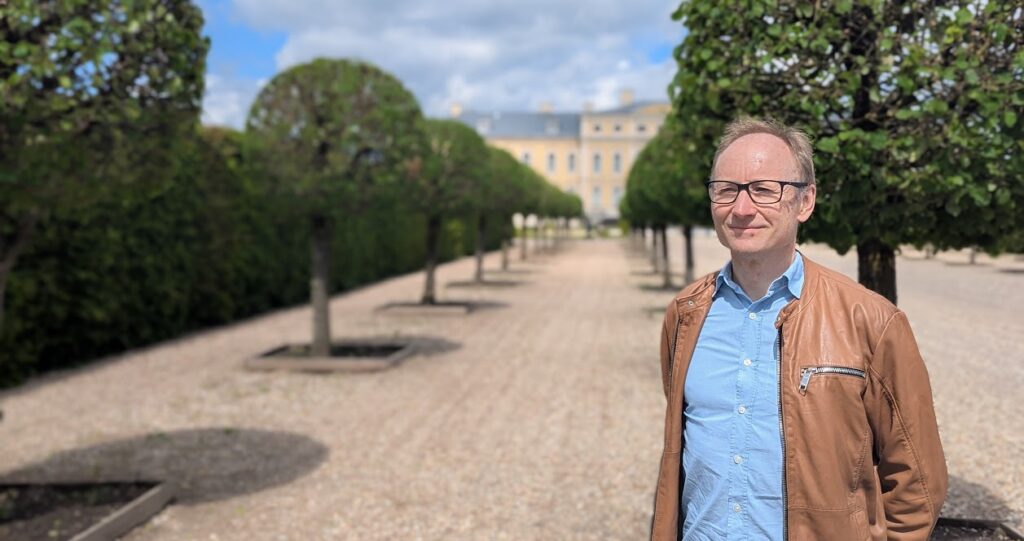
Pärtel Piirimäe, University of Tartu
Short-Term Research Fellowship at Stanford University for Estonian Scholars
Rethinking Liberty: Serfdom, Slavery, and Human Rights in the Baltic Enlightenment
During his fellowship at Stanford University, Pärtel Piirimäe will work on a book examining how debates on serfdom in the Baltic provinces of the Russian Empire contributed to the emergence of modern ideas of freedom and human rights. The project explores how Enlightenment thinkers in the Baltic region reconceptualized liberty as an inherent and inalienable human condition rather than a transferable legal status or privilege.
The study places Baltic debates on serfdom within a broader European and transatlantic context, comparing them with contemporary discussions on slavery, natural rights, and human dignity. It argues that Baltic intellectuals such as Johann Georg Eisen and Garlieb Merkel participated in the same wider transformation of political and moral thought that shaped critiques of slavery elsewhere in the Enlightenment world.
At Stanford, Piirimäe will develop the theoretical and comparative dimensions of the book through collaboration with scholars working on intellectual history, slavery and freedom, human rights, political thought, and imperial history. The fellowship will contribute to a broader reassessment of the place of Eastern Europe in the history of liberty and human rights and strengthen international research networks in these fields.
Pärtel Piirimäe (Ph.D., University of Cambridge, 2007) is Professor of Intellectual History at the University of Tartu. He is a specialist in early modern intellectual history whose research focuses on political and legal thought, natural law, moral philosophy, and the history of international law. His work has explored the conceptual history of just war, sovereignty, contracts, rights, and political authority, as well as the circulation of ideas in the Baltic region and Northern Europe. His current research focuses on Enlightenment debates on freedom and serfdom, and on the place of the Baltic provinces in the broader European history of liberty, slavery, and human rights.
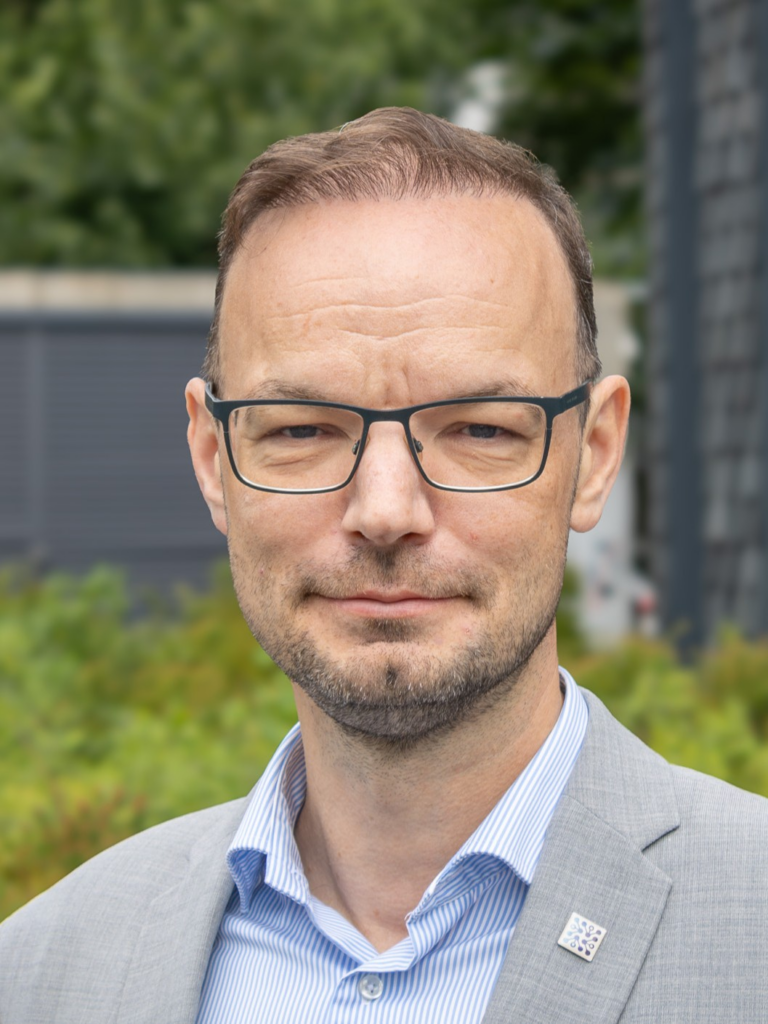
Siim Alatalu, Estonian Centre for International Development
The Global Digital Governance Fellowship at Stanford University for Estonian Scholars
Technology Sovereignty as Administrative Capacity: Resilient Digital Governance in Digitally Advanced Democracies
Siim Alatalu, an Estonian cybersecurity expert and Project Manager for international cybersecurity projects at ESTDEV, has been nominated for the Stanford Global Digital Governance Fellowship for 2027.
At Stanford University, Alatalu plans to examine how democratic states maintain resilient and secure digital governance systems while increasingly relying on external technology providers, cloud infrastructure, and artificial intelligence platforms. His research will focus on technology sovereignty and the growing role of digital governance in state resilience and public administration.
The fellowship would support the completion of a theoretical synthesis article intended for publication in an international academic journal and contribute to Alatalu’s doctoral research at Tallinn University of Technology. Drawing on his experience in Estonia, Ukraine, NATO, and the European Union, the project aims to develop a framework for understanding technological dependence as a challenge of modern state capacity and democratic governance.
“For most of my career, I have worked at the intersection of technology, security, and public governance. Through this fellowship, I hope to bring together lessons from Estonia, Ukraine, NATO, and the European Union to better understand how democratic states can remain digitally advanced without becoming strategically dependent. Stanford offers a unique environment to explore these questions alongside leading experts in technology governance and international security,” said Alatalu.
In addition to his research, Alatalu plans to contribute to Stanford’s academic community through seminars and discussions on technology sovereignty, cybersecurity governance, and democratic resilience in digitally advanced societies.


 Back
Back