

 Back
Back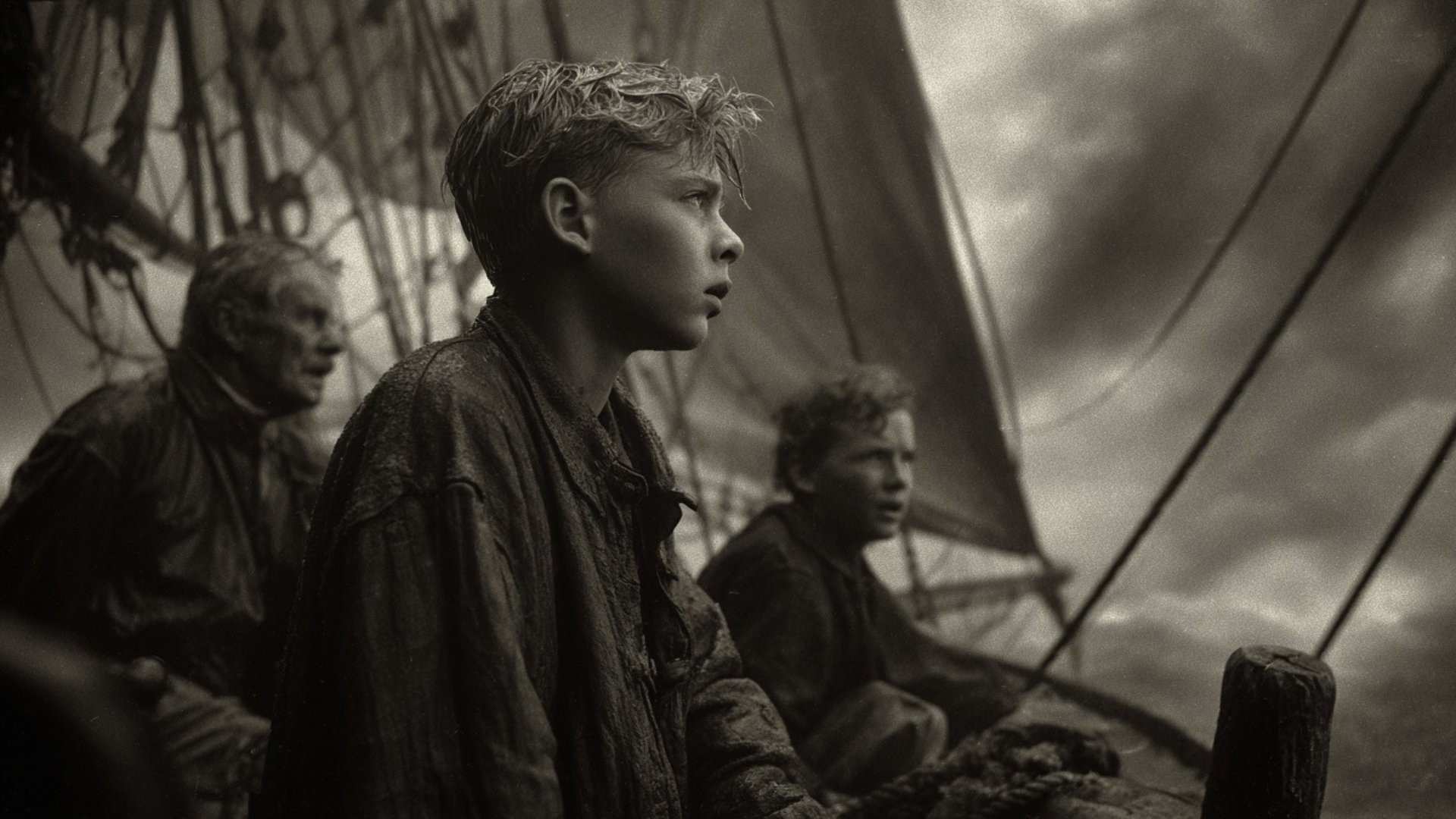


On February 18 at 6:00 PM, Vabamu is screening four short films by recognized Estonian expatriate filmmakers Reet and Toomas Mae, based on stories and memories from the Estonian diaspora. The screening will be followed by a discussion with the filmmakers.
The event is free, but prior registration is required.
Reet Mae and Toomas Mae are a sister and brother whose parents fled to Sweden during the Mass Flight of 1944. They had half an hour to decide whether to leave or not. Reet and their sister Mari were born in Sweden, Toomas in Canada. Over the past decade, Reet and Toomas have collaborated to collect stories of the Estonian diaspora so that they will not be lost.
Toomas Mae is a producer, editor, digital artist, and filmmaker whose career spans award-winning work in commercials, interactive media, special effects, and documentary film. He has produced and directed the documentaries “Raising the Flag / Lipu heiskamine” and “Patterns of Freedom / Vabaduse mustrid”, both recognized at international film festivals. Tom also served as editor on “Maestro Roman Toi – Beautiful Songs I Dedicate to You”, which received Best Editing awards in Tokyo and Ukraine. Across his career, he has explored emerging creative technologies, including AI-assisted visual design, to craft evocative cinematic imagery that brings historical memory to the screen.
Reet Mae is a filmmaker, artist, researcher, and ordained interfaith minister whose work explores memory, identity, displacement, and generational trauma. Alongside her brother Tom, she has co-produced and co-directed several films, including “Raising the Flag / Lipu heiskamine”, and “Patterns of Freedom / Vabaduse mustrid”. Her earlier professional work included research and program development in adult and child mental health, where she often worked with Toomas on award-winning video and interactive training tools. As an artist, her work has appeared in juried exhibitions in Canada, the United States, and Estonia. In her current film work, Reet is interested in using emerging technologies to honour and preserve the stories of the Baltic diaspora.
Movies
“Deportations and Disappearances: Memories of Soviet Occupation in the Baltic States”
This film serves as a powerful prequel to our “Suurpõgenemine / Great Baltic Escape 1944” film triptych. Through first-person testimony, it explores the traumatic experiences of Baltic civilians during the first Soviet occupation—stories of arrest, deportation, and disappearance that explain why, in 1944, tens of thousands risked everything to flee ahead of the second Soviet advance. These are deeply personal accounts of lives uprooted and families torn apart, offering insight into the fear and urgency that fueled the mass flight.
Told with profound respect for those who shared their memories—many of whom are no longer with us—the film blends historically grounded storytelling with evocative, artistically rendered visuals. Using digital artists and AI-enhanced imagery, we aim not to sensationalize, but to sensitively convey the emotional and psychological impact of Soviet terror. The film invites reflection on the repeating patterns of history, drawing a resonant line between past and present, from the Baltic experience to the war in Ukraine today.
“Suurpõgenmine /Great Baltic Escape 1944” Film Triptych
These three short films initially offered as “Suurpõgenemine” (pre-release) for commemorative events in the fall of 2024, focus on the mass flight and the implications for the current day.
“Exodus”, The first film, has first person stories of the flight, and the impact on those who fled.
In “Extending Compassion”, Toomas Marley, an Estonian, who housed Ukrainian families fleeing the Russian war on Ukraine and one of his Ukrainian guests reflect on the parallels in their family’s history although decades apart.
“Examining the Context”, historians, Andres Kasekamp, Lubomyr Lucyiuk and Rein Taagepera, draw parallels between the Soviet occupation of the Baltics in the 1940s and the current Russian war on Ukraine.
Together, these 4 films highlight the terror of the past as it parallels the current Russian occupation and war on Ukraine through the first-person memories of those who experienced it. This is living history, illustrated with today’s creative technology, to bring it to life.